


That dish you’ve been craving after a night of drinking.
Sapporo: Late-Night Comfort Food That Isn’t Ramen TEXT/KAGEHIRO WATANABE, PHOTO/SHUN TAKEBEBefore you know it, December has arrived — peak bōnenkai (year-end party) season. Some of you might be out drinking almost every night. But all’s well that ends well, and everyone wants to wrap up the year on a high note. With that in mind, this time we’re introducing three spots for a late-night “shime” dish that isn’t the usual ramen. Treat your stomach — worn down by all that drinking — to something gentle, delicious, and special.
The only kishimen specialty restaurant in Sapporo.
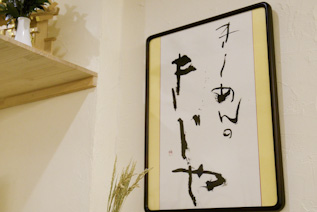
Kishimen no Kijiya
Flat and wide, kishimen is softer and easier to eat than udon. It’s soul food for people from Aichi Prefecture, but Sapporo has exactly one specialty shop for it: “Kishimen no Kijiya” in Susukino. Kishimen fans may remember “Kijiya,” a shop that used to stand in Sōen. The matching name is no coincidence — the Susukino “Kijiya” is run by the daughter and her husband, who took over the tradition. The shop’s name comes from the old custom of putting pheasant (kiji) meat into kishimen, and the word “kishimen” itself is said to derive from “kiji-men,” meaning pheasant noodles.
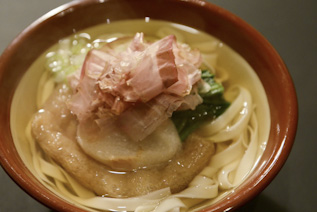
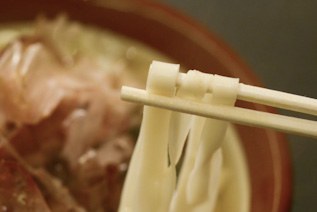
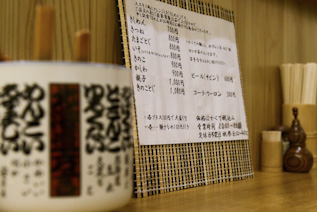
Nagoya-style kishimen typically uses tamari soy sauce, but Kijiya keeps its broth light in the Kansai style. One reason is that the previous owner learned to make kishimen in Osaka. The other is to make it easier to eat after a night of drinking — since the shop stays open late, they keep the dish gentle on the stomach and easy to eat for customers stopping by for a late-night nightcap. It’s kishimen with a uniquely Susukino twist, found only at Kijiya.
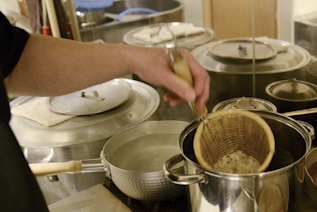
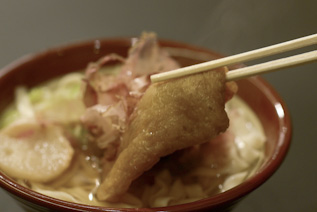
If you want your kishimen right away, they recommend the “kitsune” (fried tofu) version; if you don’t mind waiting a bit, try the “tamago-toji” (egg-topped) version. Choose whichever suits your mood. If you’re worried about the wait, there’s also oden, made with the same delicate broth as the kishimen. Seasonal menu items are available too — chilled bukkake kishimen in summer, miso-simmered udon in winter — so it might be worth becoming a regular.
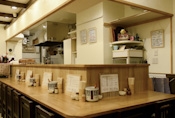
きしめんのきじや
札幌市中央区南7条西3 千両ビル1F
TEL.011-532-0141
Hours: 21:00–3:00
[Tue–Fri] 11:30–14:30
Closed: Sundays and public holidays
Watching over the neighborhood for almost half a century — Susukino’s mom and dad.
Hachiya
It’s not a trendy menu, but the flavors are gentle and comforting. Always open, always a relief to step into. Hachiya, on the first floor of the No. 1 Green Building just steps from Susukino subway station, is exactly that kind of place. It opened in Showa 43 (1968). Back then, the building was the finest in the neighborhood; over the years it quietly became the oldest one around, and Hachiya became the building’s longest-standing tenant. The shop’s location hasn’t changed since opening day, and the counter and register stand are the same ones from the start. The drawer, worn smooth from decades of opening and closing by hand, carries nearly half a century of history.
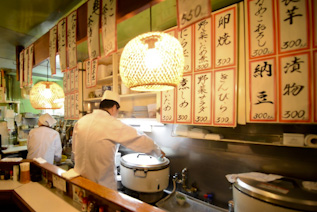
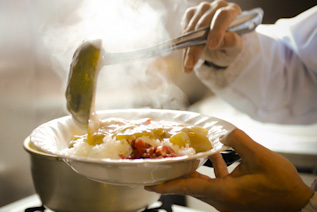
A couple who came from the countryside has run the shop together ever since, and they’re happy to lend an ear whenever needed — the “mom and dad of Susukino.” With only a counter to sit at, conversation naturally flows across it, helped along by the shop’s warm atmosphere. The old-fashioned flavors remind customers who, like the owners, moved to Sapporo from elsewhere, of the taste of home. That may be one reason this spot has stayed so beloved. The name Hachiya (literally “bee shop”) reflects a wish for the place to become a gathering spot like a beehive, buzzing with people — and even the lampshades are designed to evoke honeycomb.
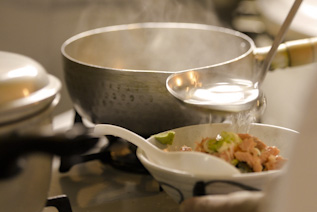
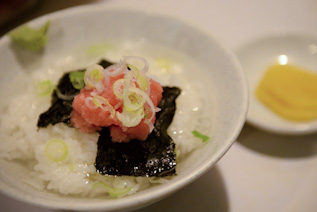
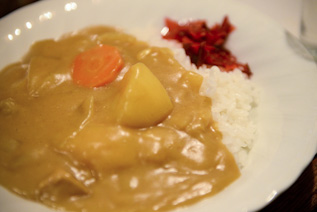
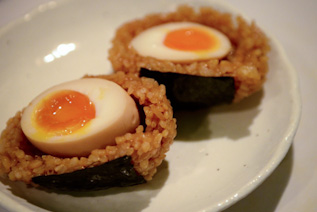
No alcohol here — but since it’s open until late at night, it’s the perfect spot for a nightcap. The menu lines up dishes that are gentle on both the stomach and the palate after a night of drinking: mackerel simmered in miso for seven hours, an old-fashioned sweet curry rice made with a wheat-flour roux, and ochazuke with a rich dashi broth. Takeout is available too, and the most popular item is the “boiled egg onigiri,” true to its name, packed with a whole simmered egg. The rice itself has a secret seasoning, so it’s delicious even cold. Whether you need a nightcap after drinking or a little something to fill your stomach before you start, this is the place to go.
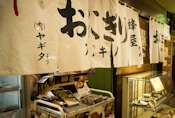
蜂屋
札幌市中央区南4条西3 第1グリーンビル1F
TEL.011-518-2074
Hours: [Mon–Thu] 17:00–4:00
[Fri, Sat, day before holidays] 17:00–5:00
Closed: Sundays and public holidays
Natto spaghetti in a stylish bar.
Kao caao
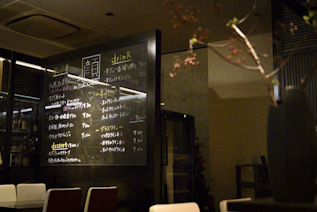
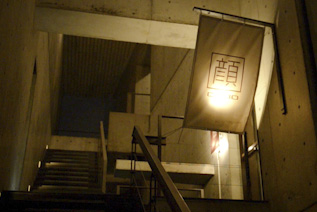
There are two “caao” locations along Maruyama’s back approach. “caao via,” near Maruyama Kōen Station on the Tōzai subway line in Nishi 24-chōme, is the first shop; “Kao caao” in Nishi 22-chōme is the second. Both used to be Italian-focused dining bars, but in November 2015 the first shop was renewed into an Asian-cuisine restaurant. As a result, the second shop is now the only place to try caao’s signature — quite literally its “face” (kao) dish — natto carbonara.
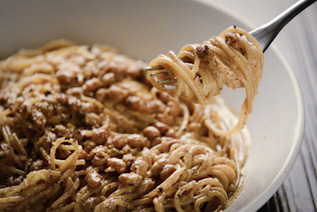
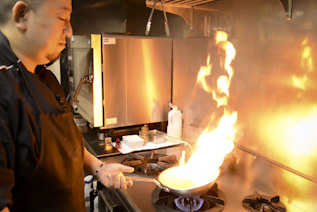
The natto carbonara was born when a customer asked the owner-chef — who honed his skills in top hotel restaurants — for “spaghetti with natto.” Far from simply tossing natto into a standard carbonara, it’s a completely original dish: olive oil and garlic are followed by a splash of soy sauce, lightly caramelized for a Japanese-style flavor. Within the creamy sauce, the faint bitterness of the natto adds a wonderful accent.
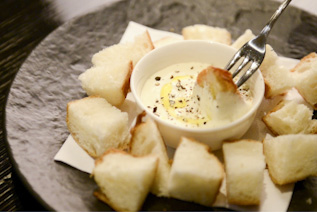
The “cold cheese fondue” is another caao original. Despite being served chilled, a proprietary recipe keeps the cheese soft, so it’s delicious any time of year.
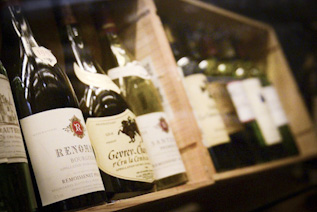
The rest of the menu is wonderfully varied too, ranging from gyoza to nasi goreng. Every other month, wine gatherings are held featuring a full course meal — making this a shop equally suited to a proper dinner or a casual date.

関連する記事
-
Enjoying beer, deeply and broadly.
Sapporo: Bars Serving Craft Beer on Tap -
This flavor—and this atmosphere—will have you hooked.
3 Sapporo Chinese Restaurants That Are Delicious Right Now -
A new standard that goes beyond a boom.
3 Sapporo Soup Curry Restaurants We Secretly Want to Keep to Ourselves -
Whether you love sweets or not, you're sure to fall for these.
Artisan Craftsmanship: Sapporo’s Mochi Sweets
新着ピックアップ
-
A genuine flavor that has walked alongside Sapporo's history.
3 Long-Established Ramen Shops in Sapporo -
150 years, and still beloved.
Ganso Kaminari-yoke Shinko -
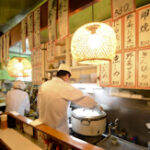
Watching over the neighborhood for half a century — Susukino's mom and pop.
Hachiya -
In Sapporo, but not miso.
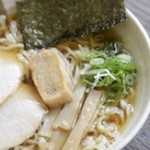
3 Sapporo Ramen Shops with a Light, Refreshing Broth


