


Back to a street corner from those days.
An Utterly Ordinary Junkissa TEXT/YUSUKE TOKOSHIMA, PHOTO/NAOKO TAKAHASHIAs services grow ever more diverse and fast-paced, we live in an age bound by an invisible force called “time.” Sapporo once had many stylish old-style cafés, known as junkissa. But these cafés, built on the philosophy of offering a space to unwind at a leisurely pace, have been quietly disappearing, swallowed by the passage of time. Not a manufactured, patchwork kind of nostalgia, but an atmosphere and character that only the passing of years can create — that is what these junkissa possess, and lately they are being quietly rediscovered. In an age overflowing with convenience, we set out to find the junkissa that have kept to their old-fashioned style for decades.

The good old Showa era, alive and well.
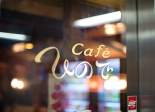
Cafe Hinode
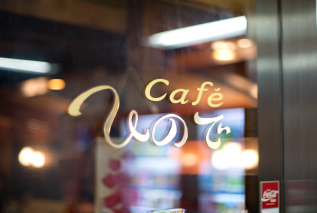
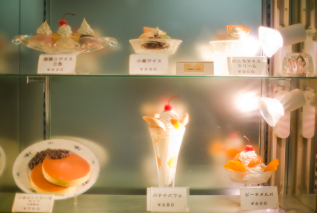
Plastic display cases still hold their food samples, as vivid as the day they were made — a fitting symbol of a true junkissa. “Cafe Hinode” sits in the basement of the Hinode Building, towering over Ekimae-dori right in the heart of Odori. It opened in 1971, the year Sapporo underwent major growth ahead of the following year's Winter Olympics, with a new subway line and a rush of new building construction. Connected directly to an exit of Odori Station, the café is just as bustling today as it was when it first opened.
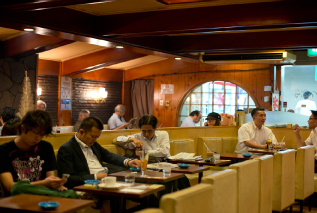
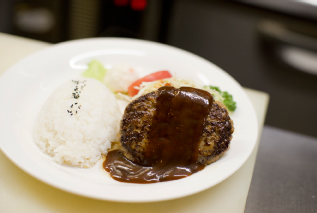
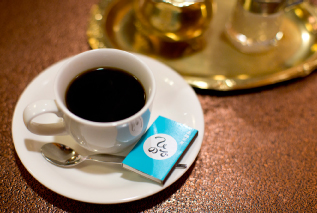
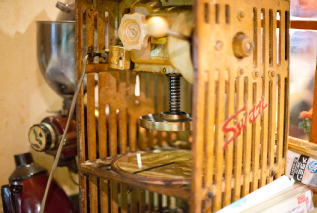
The interior is said to have barely changed since the shop opened. Lamps and skylight-style fixtures, along with weighty antique furnishings, lend the space an air of elegance and evoke the good old Showa era. The clientele is wonderfully varied — businessmen taking a break, cheerful young couples, older groups chatting animatedly about their lives. Mama Tozawa, who took over the shop from the previous owner, says that with the spread of mobile phones, the café has shifted from being a meeting spot to a place where people come to spend time alone. It has gently adapted with the times, for instance by reducing box seating in favor of tables for two.
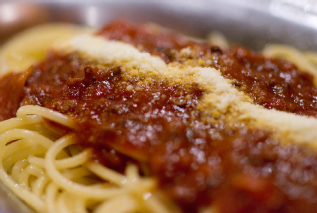
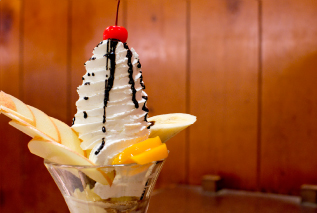
The dark-roast original blend coffee has been made lighter than it was at opening, adjusted to suit modern tastes. The spaghetti with meat sauce, a longtime favorite, tastes and looks exactly as it did on day one — thick noodles paired with a rich, slightly sweet sauce, served with salad and soda water for 900 yen. The chocolate parfait, piled high with fresh cream at 700 yen, carries the flavor of a treat once reserved for special occasions. From the timing of taking an order to the way water is poured, the staff move carefully so as not to disturb the relaxed atmosphere — an understated hospitality that feels wonderfully comfortable. Today, too, this warm and nostalgic space welcomes you in.

Where time stands still.
Kissa & Light Meals Mikado
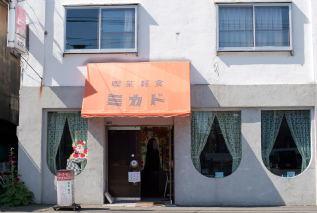
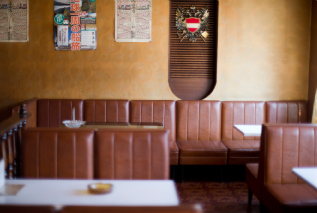
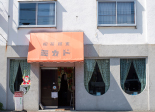
A vivid orange awning of canvas fabric. A classic logo with charmingly sweeping lines, paired with retro green curtains. This is surely what people mean when they say “time stands still.” For 45 years since it opened, Kissa & Light Meals Mikado has stood on this spot, its appearance unchanged. Mama Tsukamoto has quietly watched the turbulent flow of the times go by. The name “Mikado” is said to come from “mi” (taste), “ka” (aroma), and “do” (sound) — a wish for guests to slowly savor the taste and aroma of the coffee along with the music. Records and wired broadcasts once played classical music here; today, the quiet sound of a television set in the corner of the counter fills the room instead.
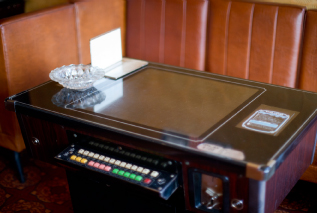
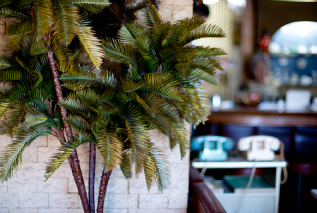
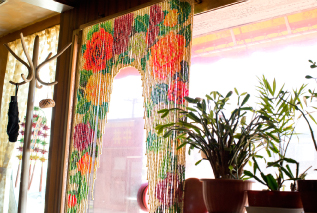
Every piece of the interior is weighty and full of character, hinting at the shop's glory days. It has a small counter and several box seats, making for a fairly spacious layout. Even so, in its heyday it was busy enough that extra chairs had to be brought out. There were always four or five part-time staff on hand, with customers coming in from opening at 8:30am until as late as midnight. Serving as café, restaurant, and bar depending on the customer and time of day, it shows just how broad a role a junkissa was once expected to play. Tsukamoto now runs the place alone, taking only three days off a month. She still has many regulars who visit faithfully. “When I think a certain someone might come by, I can hardly take a day off, let alone quit,” she said, her expression carrying a quiet resolve.
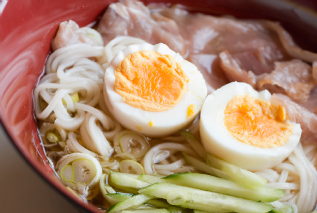
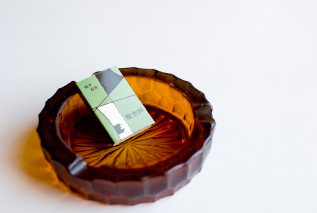
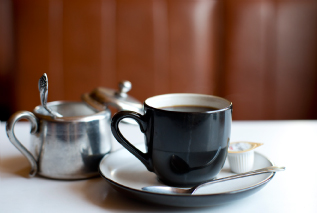
The original blend coffee costs 300 yen. On its own it may be nothing extraordinary, but combined with the atmosphere, the aroma, and Tsukamoto's words, it becomes a cup moving enough to bring tears to your eyes. The chilled wheat noodles (hiyamugi) made in the hot season cost 480 yen — the broth is richer and more full-bodied than its appearance suggests. The shop's matchbooks, whose age no one quite remembers, are a masterpiece brimming with cuteness and Showa-era nostalgia. “Young girls always want them,” Tsukamoto says, sounding a little pleased. The Showa era lives on in this corner of the city — a shop worth visiting for that alone.

Watching the times change, all the while
Lunch & Kissa Marvy
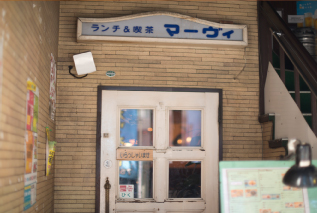
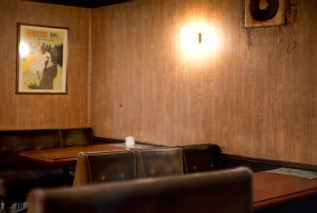
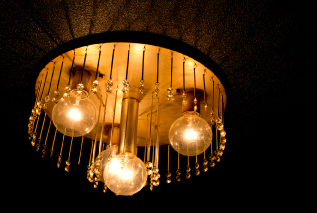
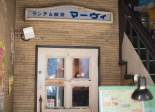
Lunch & Kissa Marvy sits along the road leading from Sapporo Station's north exit toward the main gate of Hokkaido University. Despite its modest little entrance, the shop runs surprisingly deep inside. Velveteen chairs, a chandelier, and a thoroughly Showa-era, nostalgic atmosphere fill the space. Master Shirasaki opened the shop 26 years ago with the thought that “Hokudai students will probably come.” At first, things went just as he hoped, with lively crowds of students from campus clubs. But the arrival of mobile phones — a convenient tool that let people talk without meeting in person — gradually drew the students away.
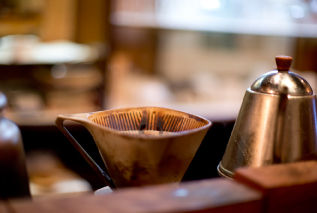
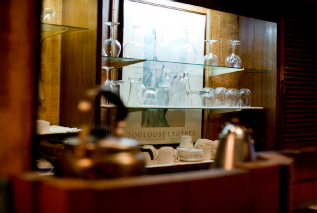
When a lunch order comes in, Shirasaki cooks with fluid, practiced movements and plates the dish on a meticulously organized service counter. With skills honed years ago in a hotel kitchen, a single plate comes together in no time. “I keep office workers' lunch breaks in mind, so people can eat within 30 minutes of arriving,” he says. The 650-yen price and the flavor that hasn't changed since the shop opened have earned it a strong reputation — at lunchtime, all of the more than 40 seats fill up, and it becomes what he calls an all-out battle. “I originally thought I'd eventually run a laid-back bar,” he laughs, a little bashfully. He never imagined the shop would end up hitting its peak at lunchtime.
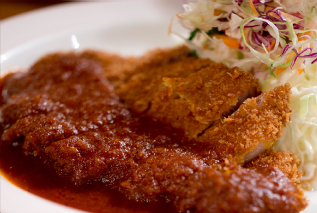
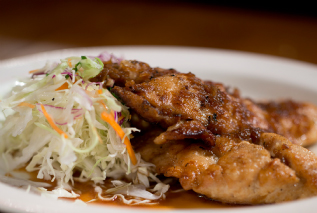
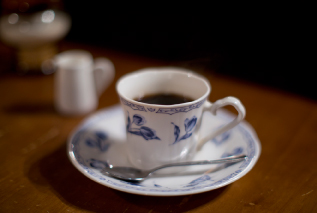
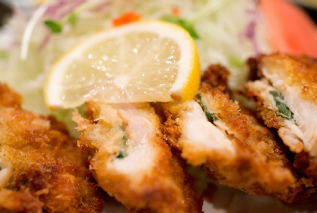
The pork cutlet, served with a handmade special demi-glace sauce, has a crisp coating and tender meat. The ginger-fried chicken breast, finished with a light touch, is satisfying too. Getting this much flavor and volume for 650 yen is a real pleasure. The shop's dedication to coffee remains strong as well — the original blend, an espresso mix best enjoyed “a little on the cooler side,” has a slight thickness and a faint brandy-like aroma. Café and Western-style diner: the shop has evolved with the times into a place with two faces. Every Friday, students from two Hokkaido University clubs still gather here for their meetings, a tradition that has continued for the full 26 years since opening. The spirit of the good old days lives on here, alive and well.

Care and warmth, poured into every cup and every plate.
coffee & Lunch SOIREE
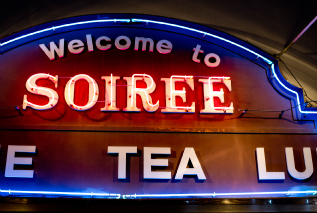
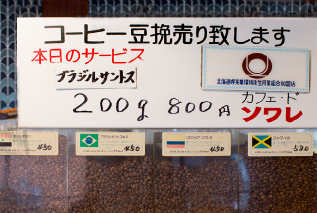
Blue and pink neon tubes glow softly over the storefront. Coffee & Lunch SOIREE sits in a residential neighborhood, a three-minute walk from Kita-24-jo Station on the subway's Tozai Line. Run by master Wanibuchi, whose gentle smile leaves a lasting impression, together with his wife and her elder sister, the shop has a warm, family-run feel. Having marked its 34th year, the interior doesn't feel its age at all — it's bright and full of a sense of cleanliness.
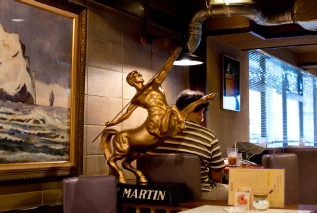
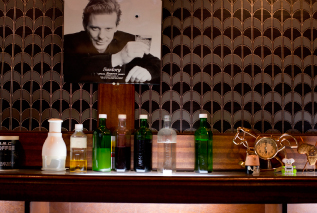
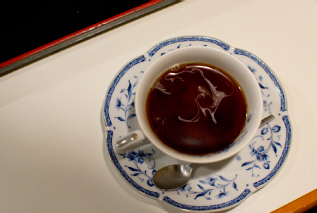
“Foot traffic around here has really dropped off,” Wanibuchi says with a hint of sadness. When the shop first opened, he explains, markets and stores lined the streets nearby, and there was a constant flow of people. The ward office, once a source of many regulars, shortened its lunch break, which only accelerated the decline in customers. Even so, he refuses to compromise on the principles he has held since day one: avoiding ready-made and frozen processed foods wherever possible, making dressings and sauces by hand, and personally sourcing every ingredient himself to ensure freshness and quality. The flavor and care behind the cooking are the shop's pride.
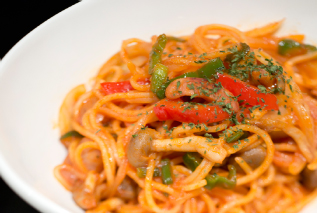
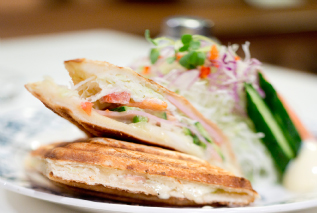
The classic blend coffee combines six different types of beans. While many shops serve creamer made with vegetable oil, here the “milk” is handmade from real milk and fresh cream. The set with Napolitan spaghetti, thick-cut toast, and salad comes with coffee for 880 yen. The vegetable-packed hot sandwich, served with salad and coffee, costs 900 yen and has a warm, nostalgic flavor. The daily set meal, its recipe devised by Wanibuchi's wife so customers won't tire of it even eating there every day, costs 930 yen. Everywhere you look, the shop overflows with the desire to offer delicious food and a relaxing space. It's the kind of place that makes you want to open the door and say, “I'm home.”


- Junkissa
喫茶・軽食 ミカド
札幌市東区北21条8丁目
TEL.011-741-9223
Hours: 8:30 AM–around 6:30 PM
Closed: 3rd, 13th, and 23rd of each month




関連する記事
-
Where the locals actually go.
5 Ramen Shops You Have to Try in Sapporo -
Whether you love sweets or not, you're sure to fall for these.
Artisan Craftsmanship: Sapporo’s Mochi Sweets -
Time-tested favorites, beloved for over a decade.
Sapporo’s Favorite Italian Restaurants -
Stay in Sapporo, but let your mood travel abroad.
A Trip Abroad, Without Leaving the City
新着ピックアップ
-
A genuine flavor that has walked alongside Sapporo's history.
3 Long-Established Ramen Shops in Sapporo -
150 years, and still beloved.
Ganso Kaminari-yoke Shinko -
A new standard that goes beyond a boom.
3 Sapporo Soup Curry Restaurants We Secretly Want to Keep to Ourselves -
Watching over the neighborhood for half a century — Susukino's mom and pop.
Hachiya


