


Stay in Sapporo, but let your mood travel abroad.
A Trip Abroad, Without Leaving the City TEXT/YUSUKE TOKOSHIMA, PHOTO/NAOKO TAKAHASHIStorefronts that clearly don’t look Japanese at all — the kind of place you want to step into, but almost hesitate to. What awaits inside is an experience you’d normally only find by actually traveling to that country. For just a moment, you’re freed from the rush of everyday life and forget you’re even in Japan. And of course, no passport or immigration check required. Open the door, and a foreign country is waiting on the other side.
So why not set off on an easy overseas trip, right here in the city of Sapporo?

A Trip to "Hawker Nation" Singapore (1)
Xin Jia Po Xia Mian (Singapore Prawn Noodles)
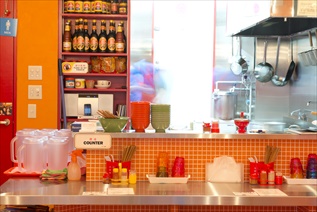
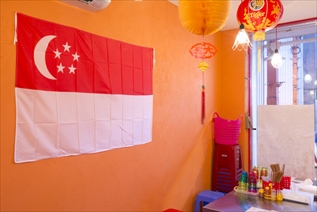
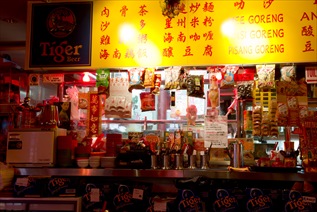
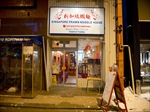
Even along Tanukikoji shopping arcade, known for its many quirky, distinctive storefronts, the giant "Xin Jia Po Xia Mian" sign really stands out. Written only in Chinese characters and English, it gives off an even stronger foreign air. The restaurant opened just at the end of last year as a specialist in Singaporean "prawn noodles." Still fairly unfamiliar in Japan, prawn noodles are known in Singapore as "prawn mee" — a beloved national comfort food enjoyed by people of all ages.
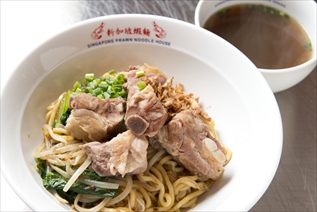
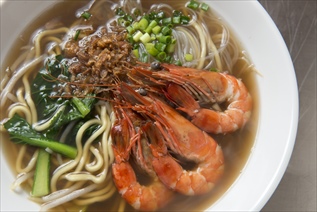
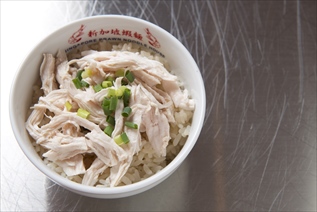
The owner and manager, Mr. Kaieda, picked prawn noodles out of all of Singapore's many great dishes, judging it the one most likely to suit Japanese tastes, and opened this specialty shop. Prawn noodle stalls can be found all over Singapore, and just as with ramen shops in Japan, the flavor and technique differ from place to place, each with its own devoted fans. This restaurant modeled its recipe on a particularly famous, well-loved Singaporean shop and faithfully recreated its flavor. "I tried bowl after bowl, and this was the one," Mr. Kaieda says with confidence.
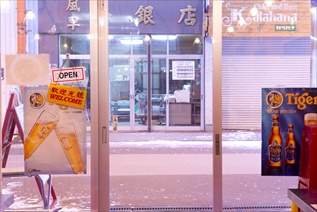
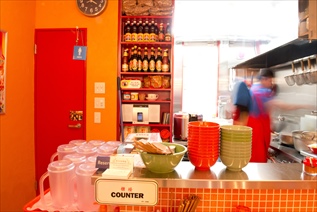
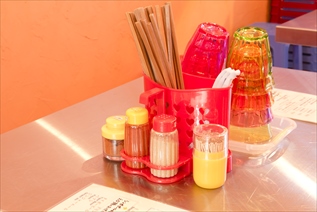
A tiled counter, exposed stainless steel, and walls in a dazzling shade of orange. Combined with the glimpse of Tanukikoji arcade through the glass entrance, it feels almost like stepping into a back alley somewhere in Southeast Asia. Ordering follows the Singapore style, too: first choose your toppings, whether you want soup or not, and your noodle type. The most standard option, prawn + soup + mixed noodles, is ¥850. The rich, umami-packed broth is made from a huge quantity of shrimp and topped with plump boiled prawns — an irresistible combination for any prawn lover. The pale brown broth is surprisingly light, with the sweetness of shrimp lingering gently afterward. Also worth trying alongside it is the mini chicken rice for ¥300, finished with chicken stock and ginger — a perfect match for the prawn noodles.

A Trip to "Hawker Nation" Singapore (2)
Kopitiam
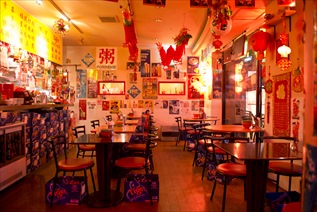
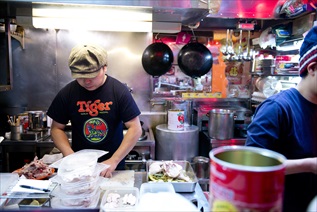
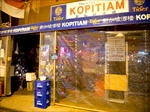
Standing shoulder to shoulder with Xin Jia Po Xia Mian, "Kopitiam" is the pioneer — and arguably the only — Singaporean restaurant in Sapporo. Its wonderfully odd appearance has become something of a landmark on Tanukikoji arcade. True to its guiding belief in "a break from the everyday," the interior is bold and utterly unique: local posters bathed in red light, knickknacks scattered about with no particular order. The lively, cluttered dining room is filled with the scent of distinctive spices. Maybe it's just me, but even the Japanese staff prepping food behind the counter somehow sound like they're speaking a foreign language.
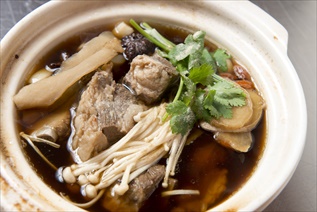
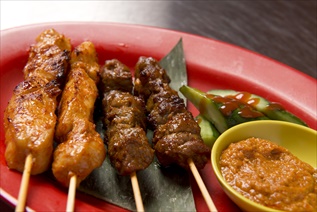
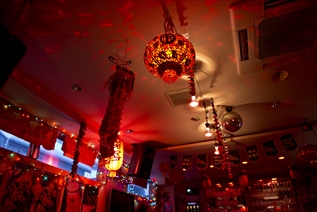

The food, of course, is the real deal too. The spices are said to be sourced directly from Singapore, and you can feel the care put into every single dish. The most popular item, Bak Kut Teh (¥980), is a medicinal dish of bone-in pork simmered in a broth made with thirteen kinds of Chinese herbs, including star anise, jujube, wolfberry, and cinnamon. A wave of spice aromas follows the initial sweetness, and the flavor overall is light and mild. The pork is so tender it falls apart, and the herbal broth seems to seep gently through your whole body. The chicken-and-mutton skewers, Satay (4 pieces, ¥550), taste much like Japanese yakitori and are enjoyed locally as a casual snack. There's also a generous selection of Singaporean beers, including Tiger Beer.
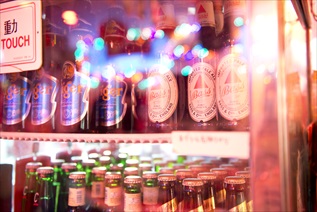
Singapore is an exotic country built on a Chinese foundation, intricately woven together with Malaysian and British influences. Kopitiam lets you savor that whole atmosphere in one place. It was even chosen as a filming location for the Yo Oizumi film "The Detective Is in the Bar 2: Susukino Grand Crossing," and appears on screen. After enjoying a meal and some Singaporean beer at Kopitiam, why not finish things off next door with prawn noodles at Xin Jia Po Xia Mian? Why not treat yourself to a full course of Singaporean food right here on Tanukikoji arcade?

A Taste of Vodka in Russia
Russian Izakaya Koshka
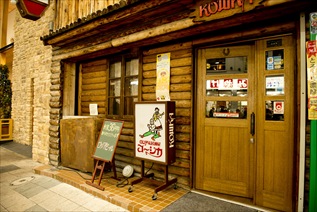
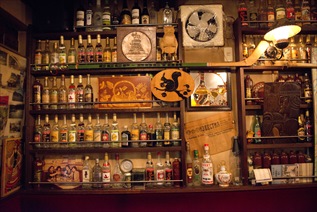
A sign showing a woman playing the Russian balalaika and a young man dancing the Cossack dance — most Sapporo residents have probably spotted it at least once. The Russian-style izakaya "Koshka" is one of the most established restaurants on Tanukikoji arcade, now in its 37th year. It was opened by the current owner's father, who had been held as a prisoner of war in Siberia after World War II, together with his wife after returning to Japan. The name "Koshka" means "kitten" in Russian — apparently a nickname given to the father by Siberian officers during his captivity, because his surname, "Miyao," sounded to them like "myaaou," the sound a cat makes. Even in a place this close to home, the memory of war lingers.
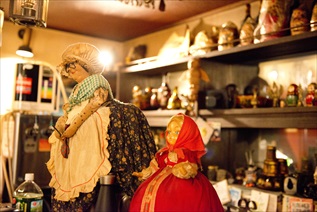
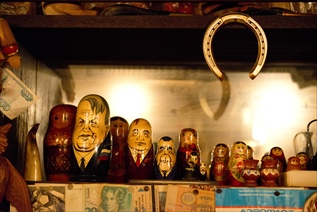
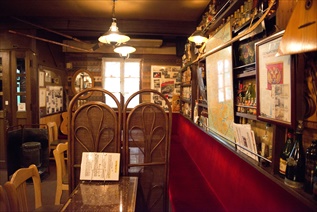
The interior is packed with books and posters published in the old Soviet era, matryoshka dolls, and other folk crafts, and familiar regulars gather here every night. "Everyone's excited about the Sochi Olympics, but it has nothing to do with us," laughs Ms. Miyao. She seems quiet and shy at first glance, but she actually loves to talk, and will happily share one fascinating story after another about Russian history, food, and culture.
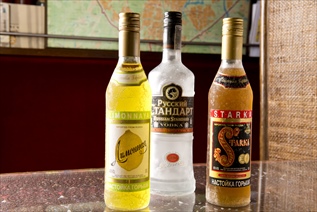
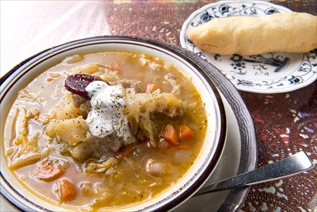
The daily piroshki (¥300) are handmade from the dough up, with fillings that change slightly day to day. Borscht, Russia's classic home-style dish, is ¥600, its chicken-bone broth rich with the sweetness of vegetables. Every dish is seasoned fairly boldly, designed to pair well with vodka. The house specialty, vodka, comes in as many as ten varieties — the lineup is the best in the city, ranging from labels you won't find at a regular liquor store to brands that went through export bans and other twists of history before finally making it back onto Japanese shelves. The best way to enjoy vodka is, without question, straight — served here ice-cold at -20°C. "Russians knock it back in one go, but for Japanese people, sipping slowly is better," Ms. Miyao says with a quiet laugh. The lemon vodka (¥500) has a lovely hint of lemon aroma and goes down so smoothly you might forget it's 40% alcohol.

About 9,000km from Sapporo, to Belgium
A Dog of Flanders
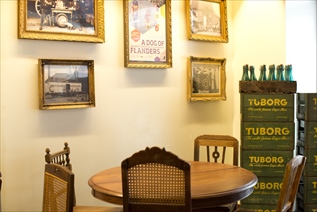
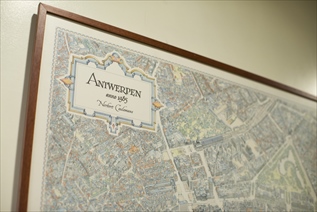
Belgium is a European country overflowing with charm — great food, beautiful nature, and old castles — and its capital, Brussels, is an international city that hosts EU headquarters. A restaurant and bar where you can enjoy Belgian food and culture can be found along the streetcar route on Minami 1-jo. Its name comes from a classic novel set in Antwerp, Belgium, the hometown of co-owners Yves Peckstadt and Walter Deconinck. The two fell in love with Sapporo's scenery and climate while traveling in Hokkaido, and opened a restaurant where guests can enjoy the home-style cooking of their native Belgium.
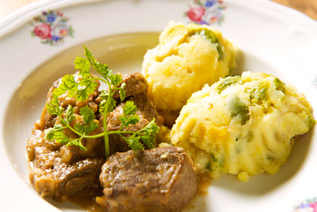
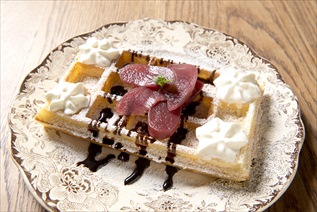
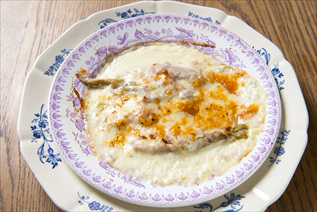
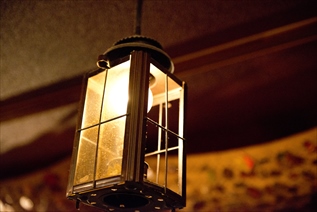
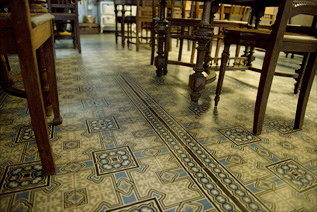
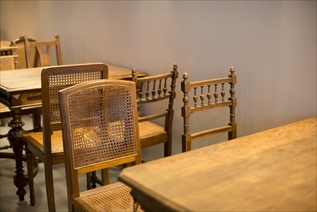
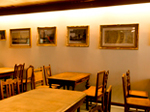
Step inside and you'll find rows of wooden tables and chairs, aged to a warm amber color. The interior is rich and atmospheric, like something out of a fairy tale, furnished with antiques more than 200 years old. These pieces were once used by Belgian nobility and were shipped over from Belgium by sea. Even the plates the food is served on are Belgian antiques — dining here feels like being invited into a Belgian home. The popular menu item is chicory gratin (¥900), one of Belgium's classic home-style dishes, whose addictive flavor comes from the chicory's distinctive bitterness paired with a mellow white sauce and cheese. The Belgian stew simmered in brown beer, served with chicory stoemp, is ¥1,000, enjoyed together with the accompanying mashed potatoes. The waffles, baked in a Belgian-made oven, are lightly sweet with a hint of vanilla fragrance; topped with red-wine-soaked apples, which pair beautifully with fresh cream, it's ¥650.
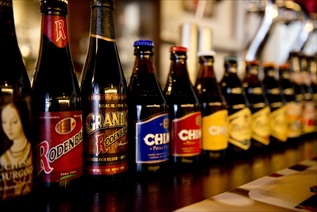
The selection of Belgian beer, hard to come by elsewhere in Sapporo, numbers over 30 varieties between draft and bottled beers. Fruity flavors are a hallmark of Belgian beer, and with less of the sharp bitterness typical of beer, it has plenty of fans among women too. The alcohol content tends to run higher than Japanese beer, so it's best enjoyed a little more slowly than usual. Why not hop on the streetcar this weekend and pay a visit to Belgium?

- A Trip Abroad, Without Leaving the City
新加坡蝦麺
北海道札幌市中央区南三条西7-5
TEL.011-219-7773
Hours/5:00 PM - 2:00 AM
Closed/Tuesdays

- A Trip Abroad, Without Leaving the City
コピティアム
北海道札幌市中央区南三条西7-5
TEL.011-219-7773
Hours /5:30 PM - 2:00 AM
Closed/Open year-round (closed New Year's holidays)



関連する記事
-
Time-tested favorites, beloved for over a decade.
Sapporo’s Favorite Italian Restaurants -
Back to a street corner from those days.
An Utterly Ordinary Junkissa -
That dish you’ve been craving after a night of drinking.
Sapporo: Late-Night Comfort Food That Isn’t Ramen -
Sushi and boat-load sashimi platters. Delicious, bold — the Hokkaido standard.
3 Delicious Seafood Restaurants in Sapporo
新着ピックアップ
-
A genuine flavor that has walked alongside Sapporo's history.
3 Long-Established Ramen Shops in Sapporo -
150 years, and still beloved.
Ganso Kaminari-yoke Shinko -
A new standard that goes beyond a boom.
3 Sapporo Soup Curry Restaurants We Secretly Want to Keep to Ourselves -
Watching over the neighborhood for half a century — Susukino's mom and pop.
Hachiya


