


36 years of yakitori. One skewer at a time, steadily.
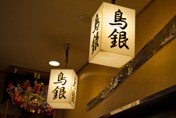
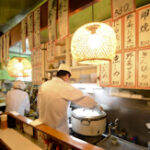
Torigin Branch TEXT/YUSUKE TOKOSHIMA, PHOTO/NAOKO TAKAHASHIFive minutes on foot from Toyohira Koen Station on the Toho subway line. Torigin Branch sits on a corner near Hachijo Junior High School, a long-established yakitori restaurant now in its 36th year. Come dinnertime, the shop fills quickly with local regulars, and even on weekends it’s popular enough that reservations are a must. Forty years ago, master Shunji Asada learned the “iroha” — the fundamentals — of yakitori at Torigin’s main shop in Sapporo’s Atsubetsu ward. He spent four years driving a taxi to make ends meet, training at the yakitori shop on his one day off every other day, before finally striking out on his own. When he opened his shop, he took the name of the place where he trained and added “Branch” to it.
Asada doesn't have the prickly demeanor of a stereotypical craftsman. He carries himself with an easygoing, larger-than-life air. Yet every so often, a sharp, focused gleam flashes in his eyes, or his voice rings out with spirited energy as he calls back an order. Even fully absorbed in grilling, he never loses track of his customers' voices and movements — the mark of a true professional. "I'm not doing anything special. I just make sure the ingredients are fresh. I won't buy anything unless I've seen it and I'm satisfied," he says, matter-of-factly. But sticking faithfully to the basics, day after day, is in fact the hardest thing of all. The shop's enduring popularity surely comes from grilling delicious yakitori, undistracted by trends or circumstance, year after year.
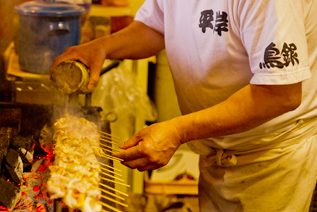
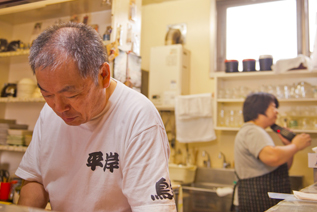
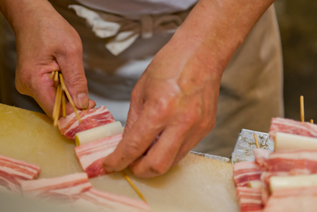
The lifeblood of yakitori — the charcoal — is a careful blend of nara oak, which catches fire easily, and briquettes, which burn long. Subtle heat adjustments come from a single flick of a well-worn fan. The distinctively slanted grilling surface, tilted toward the front, is designed to let excess fat drain away easily. Even when skewering, the pieces on top are cut larger and those below smaller, calculated so the heat reaches everything evenly.
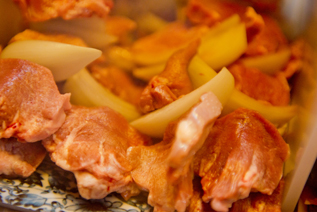
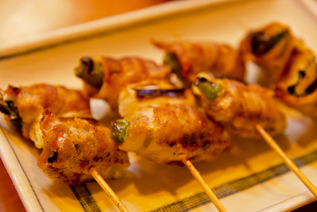
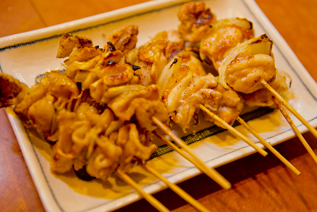
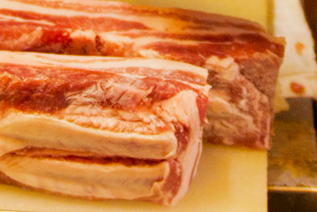
When asked about the most popular items, Asada thinks for a moment before answering, "Pork and chicken (plain meat), maybe." The chicken meat skewer, made with fresh Hokkaido-raised chicken, is 110 yen per skewer — its delicate, refined flavor comes from a light spritz of sake used to soften the saltiness. The shishito-maki, ooba-leaf-wrapped shishito peppers meant to cut the richness of pork belly, is 160 yen per skewer. The chicken skin skewer, 110 yen, uses burdock root instead of onion to preserve its texture, since burdock holds less moisture. In these small, unassuming touches lies the concentrated care and conviction behind a simple wish: to make people enjoy truly delicious food.

関連する記事
関連記事はまだありません。
新着ピックアップ
-
A genuine flavor that has walked alongside Sapporo's history.
3 Long-Established Ramen Shops in Sapporo -
150 years, and still beloved.
Ganso Kaminari-yoke Shinko -
A new standard that goes beyond a boom.
3 Sapporo Soup Curry Restaurants We Secretly Want to Keep to Ourselves -
Watching over the neighborhood for half a century — Susukino's mom and pop.
Hachiya


