


A bowl to enjoy casually while going full circle.
Sapporo: A Ramen Shop Tour by Streetcar TEXT/KAGEHIRO WATANABE, PHOTO/SHUN TAKEBEOn December 20, 2015, Sapporo’s streetcar line finally connected “Nishi 4-chome” and “Susukino,” completing a full loop. To celebrate this new loop line, we’re introducing ramen shops along the streetcar route. From classic Sapporo ramen made with a pork-bone broth, to niboshi (dried sardine) based bowls, to tsukemen dipping noodles — we’ve picked out a varied lineup. Whether you’re a local or visiting Sapporo as a tourist, why not hop on the streetcar and make a loop around, trying these shops along the way?
Authentic Sapporo ramen carrying on the taste of the first ramen boom.
Sanbankan
The first Sapporo ramen boom was the pioneer of Japan's local ramen movement. Sanbankan is a shop that preserves that era's authentic Sapporo ramen flavor to this day. The owner, who trained at the legendary shop Ryuen, opened this restaurant on Nishisen 14-jo in 1983 (Showa 58). It's now the oldest ramen shop along the Nishisen line. The nostalgic taste has remained unchanged since those early days — no wonder it's a favorite among taxi drivers, and some regulars have been coming since opening day.
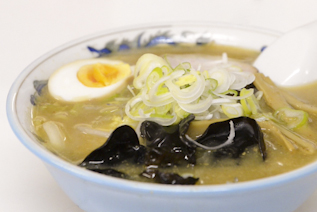
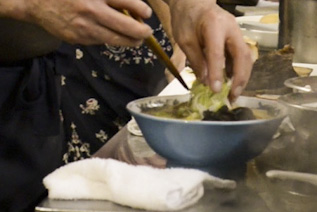
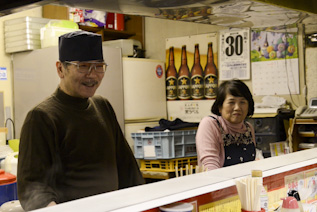
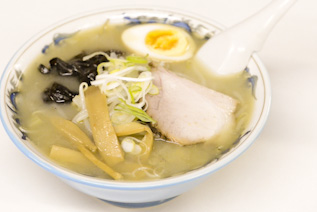
The most popular option is the miso flavor, a Sapporo ramen classic, though shoyu (soy sauce) and shio (salt) also have their die-hard fans. The key is the soup. Sapporo ramen is defined by stir-fried vegetables paired with a pork-bone broth. Sanbankan's broth is made using only "genkotsu" (pork knee joint bones), which yield an especially rich umami. Two kinds of broth are prepared and blended: a "finishing broth" aged for over a day, and a "raw broth" made fresh that same day. What's more, the flavor has been built up historically over the years by continually topping up the pot. The result is a high-quality broth with all the umami richness of pork bone, but none of the gaminess — even people who dislike tonkotsu are sure to enjoy it. "The broth used to be called rich and heavy, but as times changed, people started calling it light," the owner says. You can really feel the shop's long history in that remark.
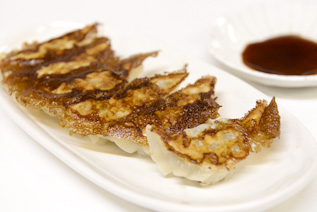
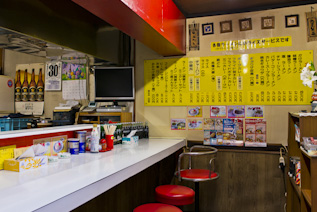
The gyoza served alongside the ramen is exquisite too. They're boiled in the very same broth used for the ramen, then pan-fried as is — meaning the crispy "wings" on this shop's gyoza are actually made from the soup itself. That same broth is used in nearly every dish on the menu, from the curry to the chuka-don (Chinese-style rice bowl), so if you love the ramen, it's well worth trying the other items too. In every dish, you'll find skill matured over a long history and flavor deepened through years of aging.
Exquisite for just one coin. A lunch-only ramen shop.
Mokuyobi
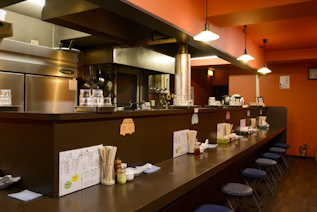
Five minutes on foot from Nishisen 9-jo Asahiyama Koen-dori Station. A ramen shop tucked quietly into a corner of a residential neighborhood. Inside, mellow reggae plays and the faint scent of niboshi (dried sardines) drifts through the air. Mokuyobi (meaning "Thursday") is exactly that kind of unpretentious ramen shop. The quirky name comes from the shop's origins: while working at "Curry Damashii Destroyer," the owner used to rent the space on Thursdays, the restaurant's regular closing day, to sell ramen. The walls, painted entirely in the Bruna Red made famous by the Miffy picture books, were also inherited from Destroyer.
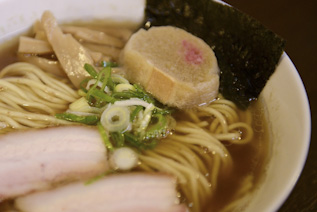
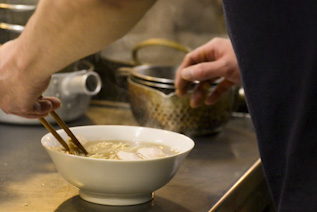
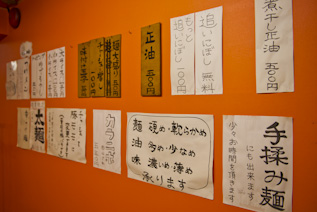
The current shop came about when "Menya Sanshiro," a place the owner used to frequent, decided to relocate to Saitama, and he took over the vacated space as-is to go independent. These days, the shop is open every day except its regular closing day, Sunday. The especially popular item is the niboshi shoyu ramen at 500 yen, made with anchovy and white-mouth niboshi (dried sardines). It used to use hirago niboshi made from Japanese sardines, but now uses white-mouth niboshi from the Seto Inland Sea. Even though niboshi broth can vary in flavor from batch to batch, the fact that you can always count on a delicious bowl here is surely thanks to the owner's daily trial and error.
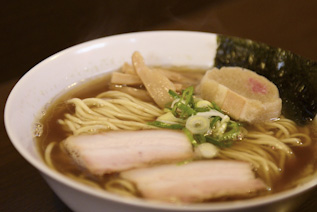
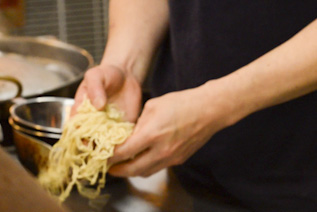
The noodles are painstakingly made in-house. Subtle adjustments — like the temperature of the dough right after kneading, and how the thickness is set at each of the three rolling stages — determine the noodles' firmness and texture. "Noodles are fascinating," says the owner, who never stops researching ways to make them even more delicious. The char siu is roasted in the oven at a low temperature for just over two hours, then soaked in the seasoning sauce, resulting in an exquisite finish that pairs perfectly with the broth.
Business hours run only until 4:30pm, "since we sometimes run out of soup," the owner explains. Do drop by for lunch — and not only on Thursdays — for a bowl of delicious, easygoing 500-yen ramen.
木曜日
札幌市中央区南8条西13-3
TEL.011-563-6525
Hours: [Weekdays] 11:00–16:30
[Sat & Holidays] 11:00–15:00
Closed: Sundays
A popular shop, renewed. No hesitation needed — go for the tsukemen.
Sapporo Fuji-ya
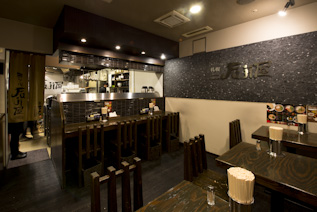
As many of you may already know, the popular Sapporo ramen shop "Tonsoba Fuji-ya" underwent a renewal at the end of October this year. A new second location, "Fujiya NOODLE," is set to open in Susukino's new ramen alley, while the original shop has been reborn as "Sapporo Fuji-ya," now specializing exclusively in tsukemen. So this time, we're introducing Fuji-ya's tsukemen — the flavor is just as great as ever, only the look has changed a little.
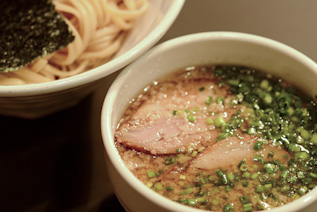
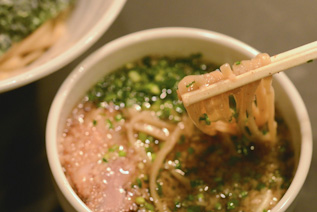
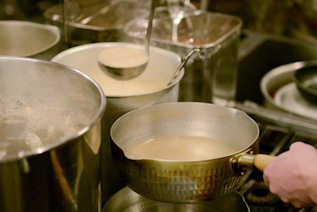
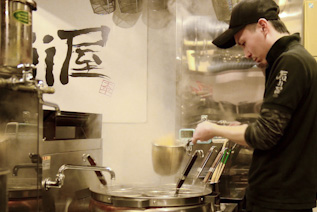
Fuji-ya was created by a noodle-obsessed owner who, even now, eats ramen at other shops 250 times a year. His first recommendation is the shoyu tsukemen. If you like things spicy, try the spicy tsukemen. The hottest option, "Yabai" ("Insane"), lives up to its name with serious heat, but it's balanced so you can still fully taste the flavor even through the spice. If you prefer something rich and bold, go for the intensely fragrant niboshi miso tsukemen, limited to 25 bowls a day, with its distinctive, punchy dried-sardine aroma.
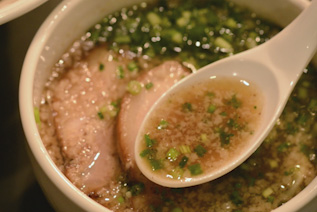
The broth is a 1:1 blend of niboshi stock, its umami thoroughly extracted using a large pressure pot, and genkotsu (pork knee-joint bone) stock. A single sheet of domestic pork fat is used as well, leaving fine droplets of oil floating on the surface. The noodles are a blend of two Hokkaido-grown wheat varieties mainly used for bread, "Yumechikara" and "Haruyokoi," finished as flat, thick noodles with a satisfying chew.
One of the joys of tsukemen is being able to enjoy the changing flavor with a diluting broth (warizoup) at the end. At Fuji-ya, you can finish your meal with a refreshing warizoup dotted with chopped yuzu. There's also yuzu vinegar and "Sakana Kosho," a blend of five kinds of fish powder and spices, so you can savor a slightly different tsukemen with every bite. Try it here, and we're sure you'll find a flavor to love — whether you're a tsukemen purist or not.
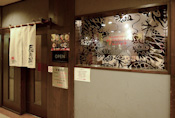
札幌 Fuji屋
札幌市中央区南4条西3丁目 グリーンビル1F
TEL.011-533-4111
Hours: 18:00–3:00 (Last order 2:30)
*Closes early if ingredients run out
Closed: Sundays *Closed for New Year holidays, plus one irregular closure per month
A classic Sapporo lineage, still evolving.
Ramen Iori
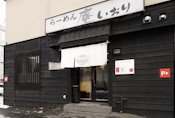
"IORI" is a popular ramen shop in Chitose. "Iori" (庵), located in a residential area near the Sapporo Nishisen streetcar line, is its sister shop. The Sapporo location actually opened first. The owner who started that shop later returned to his hometown of Chitose and opened IORI there. Cooking and vegetable procurement are handled independently at each shop, but the menu and recipes are said to be identical. If you've had your eye on IORI in Chitose, why not give the Sapporo location a try first?
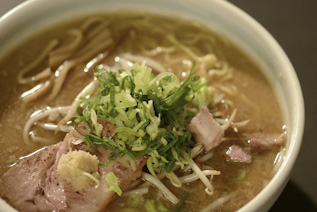
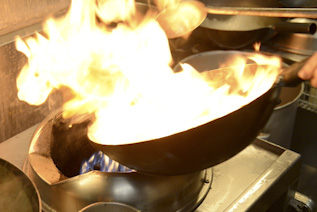
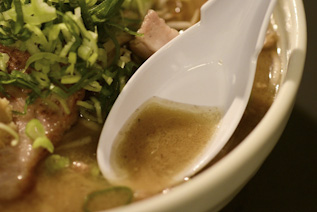
The most popular item, ordered by roughly 70% of customers, is the miso ramen. It's built on a pork-bone base with stir-fried vegetables, ground meat, and plenty of lard — a classic Sapporo ramen that makes perfect sense once you learn the owner trained independently after leaving Sumire.
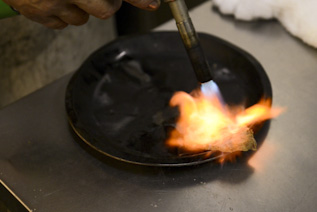
The broth is slowly simmered from pork bones, chicken carcass, niboshi, bonito flakes, onion, and Chinese cabbage, finished with a fragrant hint of sansho pepper for a rich, layered flavor. The char siu, seared on one side, adds an extra note of smokiness that plays up the richness of the broth — a delicious result that's clearly been carefully thought through.
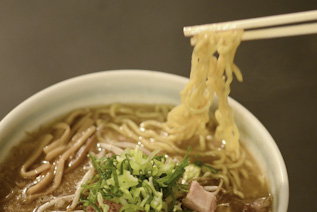
Although it's classic Sapporo ramen at heart, both IORI and Iori keep refining their craft in pursuit of even better flavor. About two years ago, they switched to house-made noodles. Around the same time, the green onions were changed to Kujo negi shipped directly from Kyoto, and quite a few customers now order extra green onion. While staying true to their identity as a dedicated ramen specialty shop, they've also added new items such as "old-style ramen" — a dish made without stir-fried vegetables, using straight noodles for a lighter, cleaner finish. Why not try it alongside the classic Sapporo ramen?

関連する記事
-
This flavor—and this atmosphere—will have you hooked.
3 Sapporo Chinese Restaurants That Are Delicious Right Now -
Where the locals keep coming back
Sapporo’s Best Ramen Shops -
Enjoying beer, deeply and broadly.
Sapporo: Bars Serving Craft Beer on Tap -
Whether you love sweets or not, you're sure to fall for these.
Artisan Craftsmanship: Sapporo’s Mochi Sweets
新着ピックアップ
-
A genuine flavor that has walked alongside Sapporo's history.
3 Long-Established Ramen Shops in Sapporo -
150 years, and still beloved.
Ganso Kaminari-yoke Shinko -
A new standard that goes beyond a boom.
3 Sapporo Soup Curry Restaurants We Secretly Want to Keep to Ourselves -
Watching over the neighborhood for half a century — Susukino's mom and pop.
Hachiya


