


Sincere, simple.
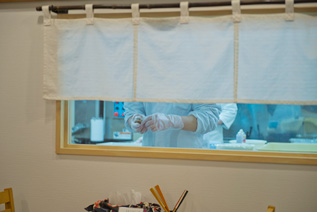
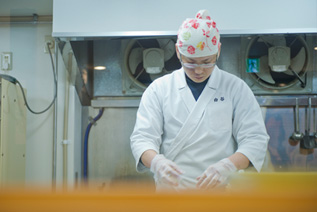
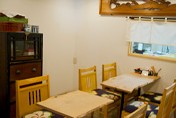
Mochigashisho Shiroya TEXT/REINA ABE, PHOTO/NAOKO TAKAHASHIWrapped in a quiet energy, one after another. In the morning, as commuters and students pass by on the street outside, “Mochigashisho Shiroya” works with quick, practiced hands, shaping one adorable daifuku after another. Owner Nakatani once trained as a Japanese-cuisine chef. A lover of wagashi and sweets, when he considered going independent, a mochi shop was the very first thing that came to mind. Inside the shop, tastefully decorated with charming Japanese goods, you can enjoy mochi alongside a cup of matcha.
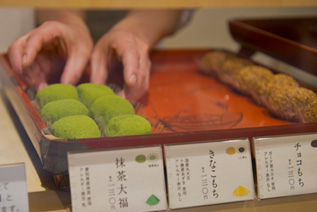
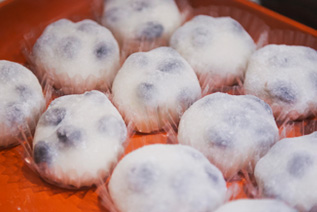
The shop selects only high-quality Hokkaido ingredients, finishing them simply so as not to overpower their natural flavor. That deep dedication shows clearly in Shiroya's signature "Tokachi Black Bean Daifuku." The glutinous rice used is "Kaze no Ko Mochi," and the black beans are the "Iwai Kuro" variety. The soft, gently stretching mochi wraps around plump, comforting beans... The smooth red bean paste, made from Tokachi azuki, is light and only lightly sweetened. Cutting back on sugar usually shortens shelf life, which most makers avoid — but because everything here is made fresh each day and sold and eaten that same day, they can maintain that delicate balance.
Beyond the classic mochi-shop staples of mame daifuku and yomogi daifuku, seasonal limited-edition daifuku are one of the pleasures of coming back to this shop again and again. Past offerings have included banana and rare cheesecake-cream daifuku, both of which became quite popular. The lightly salted "ebi mochi" and "black bean mochi" are also a hit with customers who aren't fond of sweets.
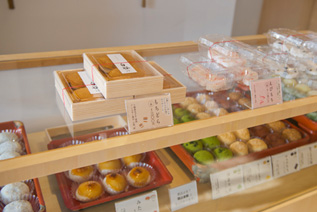
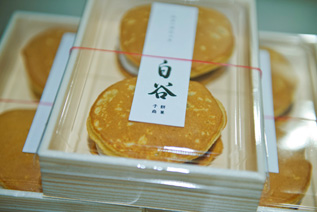
Some might see the shop's unconventional daifuku as attention-grabbing gimmicks, but that's not the case at all. Nakatani's conviction is that customers should be won over by taste alone. He values clarity — in appearance and naming — that speaks directly and honestly to customers. That same spirit is reflected in the shop's simple name, "Shiroya." The character for "shiro" (white) evokes mochi and Hokkaido's snow; "ya" comes from his family name, giving it the ring of a proper shop name.
Three years have passed since the shop opened in 2011, and now customers come steadily, seeking out its daifuku. "Even elementary schoolers come here alone," he says, clearly pleased. A comforting sweetness, a satisfying sense of fullness — this is a shop that sincerely conveys the gentle flavor of mochi.

関連する記事

新着ピックアップ
-
A genuine flavor that has walked alongside Sapporo's history.
3 Long-Established Ramen Shops in Sapporo -
150 years, and still beloved.
Ganso Kaminari-yoke Shinko -
A new standard that goes beyond a boom.
3 Sapporo Soup Curry Restaurants We Secretly Want to Keep to Ourselves -
Watching over the neighborhood for half a century — Susukino's mom and pop.
Hachiya


