


Time-tested favorites, beloved for over a decade.
Sapporo’s Favorite Italian Restaurants TEXT/REINA ABE, PHOTO/NAOKO TAKAHASHIAn extraordinary passion for food, wine, and coffee—yet with a relaxed, easygoing air that makes you feel right at home. We introduce three Italian restaurants that have been winning over regulars for anywhere from ten to over thirty years with exactly that mix of great food and comfort. All three are run by couples or parent-and-child teams whose effortless teamwork behind the counter is a pleasure to watch. These are the kind of places you’ll want to head to straight from your lunch break or after work.
A flavor that has won over three generations.
Trattoria Trenta
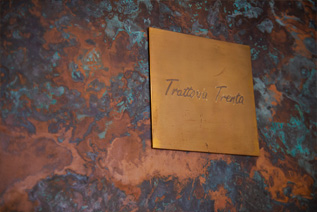
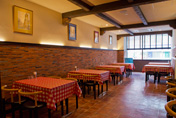
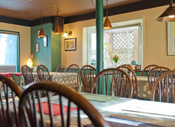
A slightly heavy door with the texture of hammered copper. Step inside, and the red gingham tablecloths set an easygoing, unpretentious mood. Chef Matsushima—instantly recognizable by the hair pulled back into a tight ponytail—handles every dish at Trattoria Trenta, a restaurant that's packed at both lunch and dinner. Back in his second year of high school, he was already declaring that he'd one day open his own Italian restaurant. After graduating university he went to work in restaurant kitchens, then struck out on his own in 1984. He named the place "Trenta," Italian for "thirty," after his age at the time. Many customers have kept coming back ever since the restaurant opened, and these days it's not unusual to see their children and grandchildren stopping by with friends.
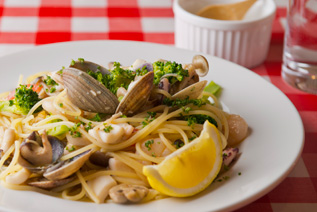
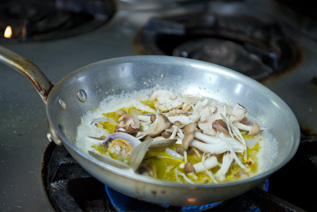
He says he's not especially particular about ingredients, but the essentials—pasta, oil, cheese—are all carefully chosen, sourced directly from Italy through a Japanese coordinator based there. The signature dish, "Monte Mare," is a spaghetti where the richness of plentiful seafood and mushrooms melds beautifully with medium-thick noodles. The squid is domestic, while the clams come from a contracted supplier in Chiripu, eastern Hokkaido. The seasoning is kept simple—just salt and pepper. A squeeze of the accompanying lemon makes each ingredient's flavor stand out while still bringing everything into harmony. It's a generous portion, yet somehow you can eat it all with ease. The vegetable dishes are also well regarded, especially the "Vegetable Antipasto"—fifteen or sixteen kinds of fresh vegetables lightly tossed with salt and olive oil—which has a loyal following. Depending on the season, the vegetables come from a contracted farmer in Ishikari.
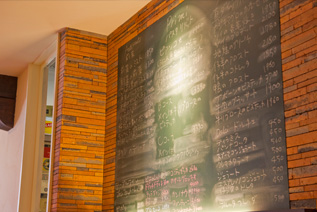
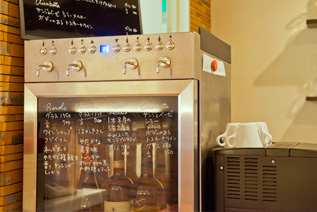
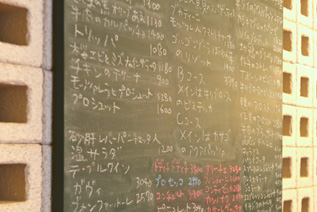
The restaurant has occupied the second floor of a building on the tram-line street for 31 years now—during which time eight other shops have come and gone on the very same floor. Yet Matsushima has never lost his drive, continually refining the flavors found only at Trenta, drawing on feedback from his wife who runs the floor and from customers with a sharp palate. It says something about his character that he freely publishes his recipes on the restaurant's website. Come New Year's, he says he can barely wait for the holiday to end so he can get back to cooking. The chalkboard menu lined up beside the counter, and the handwritten wine descriptions on the wine dispenser he recently installed, both carry a certain playful charm. It's the kind of place that leaves you already looking forward to your next visit, wondering what you'll order then.
トラットリア トレンタ
札幌市中央区南1条西5丁目 郵政福祉札幌第一ビル2F
TEL.011-241-0663
Hours/Lunch 11:30–15:00
(L.O. 14:30)
Dinner 18:00–23:00
(L.O. 21:30)
Closed/Sundays
A taste of Japan's four seasons, served Italian-style, ahead of the curve.
Wine Dining Sagan
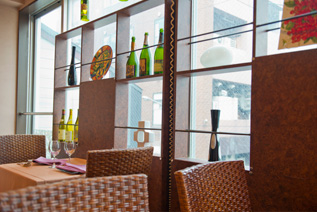
The husband is the sommelier, the wife the chef—together, Mr. and Mrs. Shimizu run the restaurant. He hails from Niigata, she from Osaka. Some ten-odd years ago, a work transfer brought them to Sapporo, and they fell for the city's atmosphere, deciding then to finally realize their long-held dream of opening a restaurant. While struggling to settle on a name, the name of novelist Françoise Sagan came to mind. They casually assigned kanji characters to the sound—and the result, "Sagan" written as "Left Bank" (左岸), happened to evoke Bordeaux's Left Bank, the very heart of France's most celebrated wine-producing region. It turned out to be the perfect name for a wine dining restaurant. At the heart of the restaurant's concept is a wish to bring Sapporo the food culture of Honshu, where the first catches and harvests of each season are prized. To that end, they make generous use of Honshu ingredients, sourcing fresh vegetables from a relative who runs a produce shop in the Kansai region.
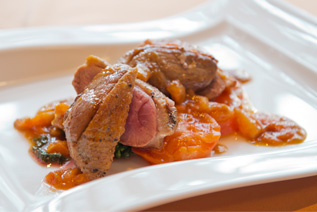
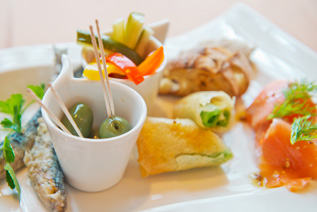
The long list of appetizers is updated as soon as seasonal ingredients come in. The "Chef's Choice 6-Piece Appetizer Platter" gathers Sagan's standard offerings alongside seasonal appetizers made according to the chef's mood. On the day we visited, it included escabeche of Shizuoka-caught round herring and snap peas baked in parchment with two kinds of cheese—so tempting it's hard to know where to start. A hidden favorite, the "Roasted Duck Breast," uses Hungarian duck, prized for having the most distinctly gamey character. The duck, steam-seared in a pan, is served with sautéed rapeseed blossoms and the high-sugar tomato variety "Amela," filling the air with a savory aroma. Through dishes like these, the restaurant hopes to introduce diners to the many different ways an ingredient can be enjoyed.
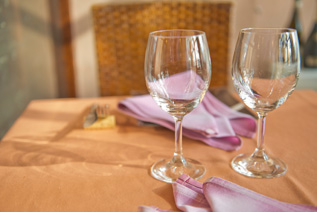
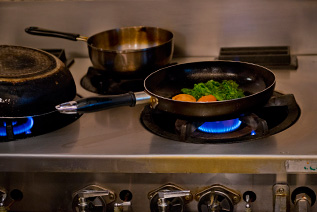
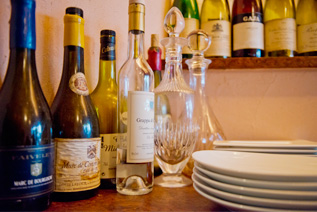
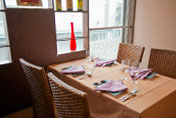
Beside the kitchen stands a wine cellar reaching all the way to the ceiling. The thick wine list, covering over 200 varieties, speaks to the couple's dedication. It's a lineup that wine lovers will find irresistible, but there's no need to worry if you're not an expert—there's also a generous selection of wines by the glass, and if you tell the staff your preferences, they'll find just the right pour for you. Order the "Today's Tasting Set" and you can sample three wines in small glasses, tasting-style. Ignoring conventional pairing rules—white with fish, red with meat—Sagan's philosophy is to let guests freely enjoy whatever flavor they're in the mood for. More than a decade has passed since the restaurant opened in 2004, and the couple laughs that their one rule is never to interfere with each other's cooking or wine choices—a sign, surely, of the trust they place in one another's skill. That easy, calm atmosphere the two of them create fills the restaurant. Tucked along a narrow side street off Tanukikoji 1-chome, it's the kind of place you find yourself drawn into, pulled in by the light spilling from its windows.
ワインダイニング 左岸
札幌市中央区南2条西1丁目6-11 第3広和ビルイースト 2階
TEL.011-207-1033
Hours/Lunch 11:30–15:00
(L.O. 14:00)
Dinner 18:00–24:00
(L.O. 23:00)
Closed/Sundays, public holidays, and lunch the day after a closed day
*Advance reservations recommended for parties of 3 or more
Vongole today, coffee tomorrow.
Spaghetti Shop 15-Chome
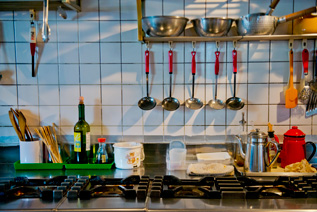
Even once the lunch rush has passed, customers keep coming. Some settle in for a late lunch of warm spaghetti, while others order a coffee and linger a while. "15-Chome," marked by its witch-on-a-broomstick sign, is run by the Takeuchi family, parent and child. The second floor houses a design office, and the previous owner—who built the restaurant's flavors while working as both designer and owner—still stops by from time to time. The delicate collage artwork depicting the restaurant's exterior, hanging on the wall, is also his work. The open kitchen, visible from the table seating, carries the well-worn feel of years of use, yet stays tidy and orderly, with red-patterned ladles lined up at even intervals against the white tiled walls.
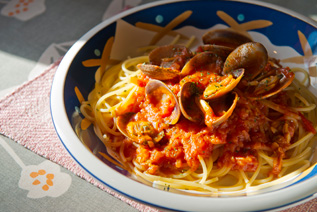
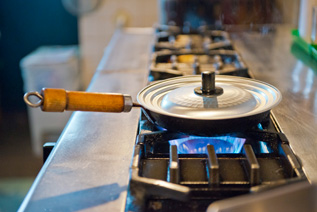
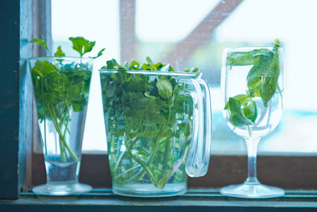
15-Chome originally opened as a coffee shop in 1972. Some thirty years ago, while traveling through Europe for an exhibition, the previous owner tasted pasta in Italy that he could never forget. After returning to Sapporo, he spent years researching recipes before eventually relaunching the shop as a spaghetti specialist. His son, who has run the kitchen for about a decade now, says, "A lot of regulars come in already knowing exactly what they want, so at first it was tough recreating my father's flavors." Even now, without changing the ingredients or cooking methods, he's constantly finding small ways to make the food even better. He also tries to prepare each dish only after seeing the customer's face, making subtle adjustments—slightly milder seasoning for older regulars, for example. Not overdoing it, letting the ingredients' natural flavor shine through simplicity—that philosophy has been carefully passed down.
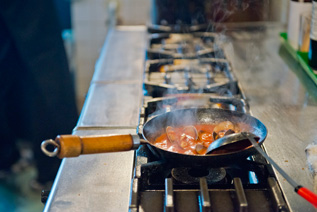
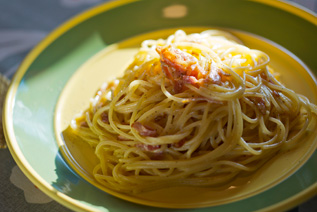
The pasta is Italy's Barilla brand. Sauces are never made ahead of time—the "Vongole Rosso," for instance, is finished in one go with clams from Betsukai, whole tomatoes, and white wine. The "Carbonara," carrying the flavor of Hokkaido-produced bacon, is smooth and rich. Spaghetti made with seasonal ingredients is also popular, running through rapeseed blossoms and asparagus in spring, baby leaf greens and sea urchin in summer, salmon in autumn, and oysters in winter. Especially recommended is the "Spring Cabbage and Akage Wagyu Corned Beef," which appears each year around April once the greengrocer gives word that spring cabbage is in—an irresistible dish combining the crisp bite of spring cabbage with the rich flavor of 100% corned beef made from Akage Wagyu from Kaminai Farm 21. And when you're full, be sure to order a coffee. The 15-Chome original blend tastes exactly as it did when the shop first opened. Even a customer returning after twenty years away is said to have been delighted to find "the same flavor as ever."

関連する記事
-
That dish you’ve been craving after a night of drinking.
Sapporo: Late-Night Comfort Food That Isn’t Ramen -
In Sapporo, but not miso.
3 Sapporo Ramen Shops with a Light, Refreshing Broth -
Where the locals actually go.
5 Ramen Shops You Have to Try in Sapporo -
Enjoying beer, deeply and broadly.
Sapporo: Bars Serving Craft Beer on Tap
新着ピックアップ
-
A genuine flavor that has walked alongside Sapporo's history.
3 Long-Established Ramen Shops in Sapporo -
150 years, and still beloved.
Ganso Kaminari-yoke Shinko -
A new standard that goes beyond a boom.
3 Sapporo Soup Curry Restaurants We Secretly Want to Keep to Ourselves -
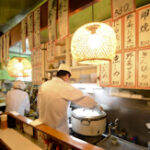
Watching over the neighborhood for half a century — Susukino's mom and pop.
Hachiya


