


Whether you love sweets or not, you're sure to fall for these.
Artisan Craftsmanship: Sapporo’s Mochi Sweets TEXT/REINA ABE, KAGEHIRO WATANABE, PHOTO/NAOKO TAKAHASHIDo you know the origin of the word “daifuku” (大福)? It’s said that because eating it fills the stomach, mochi sweets were originally called “ōbara” (大腹, “big belly”), and over time, for good luck, people began writing it with the characters for “daifuku” (大福, “great fortune”) instead. This time we introduce three mochi shops in Sapporo, with a special focus on their daifuku. Every one of them is a handmade specialty crafted with real dedication. Even if you don’t usually eat Japanese sweets, or aren’t a fan of sweet things, we’re sure you’ll find a favorite here. Consider it a little charm for good luck, too.
Sincere and simple.
Mochi Confectionery Shiroya
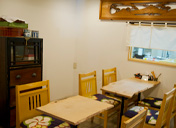
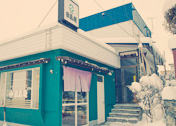
Wrapped in a quiet energy, one daifuku after another takes shape. On mornings when commuters and students hurry past, “Mochi Confectionery Shiroya,” facing the street, turns out adorable daifuku with brisk, practiced hands. Owner Mr. Nakatani was originally a trained chef of Japanese cuisine. He loved wagashi and sweets, and when he considered going independent, a mochi shop was the first thing that came to mind. Inside the shop, tastefully decorated with charming Japanese goods, you can enjoy mochi alongside a cup of matcha.
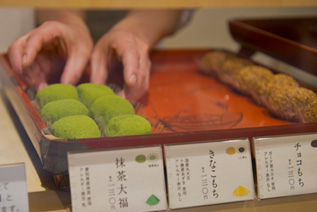
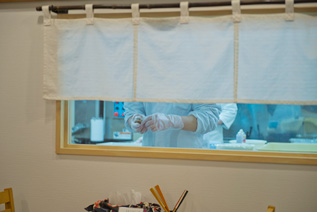
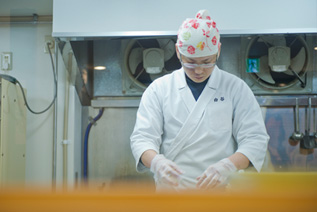
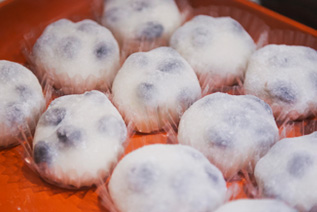
The shop selects high-quality Hokkaido ingredients and finishes each sweet simply, so as not to overpower their natural flavor. That deep dedication shows in Shiroya's signature “Tokachi Black Bean Daifuku.” The glutinous rice used is the “Kaze no Ko Mochi” variety, and the black beans are the “Iwaikuro” variety. The mochi stretches softly and gently, while the beans are large and satisfying. The smooth red bean paste, made from Tokachi azuki beans, is light and not too sweet. Cutting back on sugar usually shortens shelf life, which most makers try to avoid—but because everything here is made and sold fresh the same day, that delicate balance can be maintained.
Beyond the standard bean daifuku and mugwort (yomogi) daifuku found at any mochi shop, part of the joy of visiting is the seasonal, limited-edition daifuku. On the day of our visit, the case held a softly tinted “yuzu daifuku.” In the past, banana and rare cheesecake daifuku have also appeared and become quite popular. The lightly salted “shrimp mochi” and “black bean mochi” are also well loved by those who aren't fond of sweets.
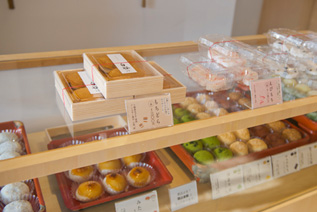
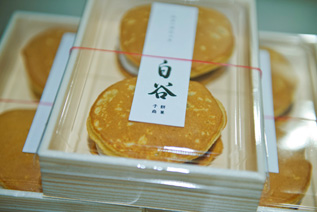
Because of these unconventional daifuku creations, the shop is sometimes seen as trying to be different for the sake of it—but that's not the case. Mr. Nakatani's guiding belief is that “once you taste it, you'll understand.” He places great importance on the appearance and naming being clear and straightforward, so the idea comes through directly to customers. That same philosophy is reflected in the shop's simple name, “Shiroya.” The character for “white” (白) evokes the image of mochi and Hokkaido's snow, while “ya” (谷, “valley”) comes from his family name, giving the name a fitting ring as a shop name.
Three years have passed since the shop opened in 2011. Now, customers come steadily in search of its daifuku. “Even a single elementary school kid will come in on their own,” he told us happily. A sweetness that offers a moment of comfort, and the reassuring satisfaction of a full stomach—this is a shop that sincerely conveys the gentle flavor of mochi.
餅菓子商 白谷
札幌市中央区南3条西17丁目 西17ホッカイビル1F
TEL.011-633-9550
Hours: 10:00am–5:00pm
(Closes when sold out)
Closed: Every Monday and the second Tuesday of the month
Handmade wagashi that delight the eyes, too.
Confectionery Tajima-an
In the residential neighborhood of Nishioka, not far from Sapporo Dome and Fukuzumi Station on the Toho subway line, stands Tajima-an, a wagashi specialty shop that has been loved by the local community for even longer than those landmarks. The owner was born into a wagashi-making family, honed his craft at the now-closed Ichiroan, a long-standing confectionery shop with roughly 70 years of history, and went independent about 30 years ago. It's a life devoted entirely to sweet-making—and that alone makes a visit to this seasoned craftsman's shop intriguing.
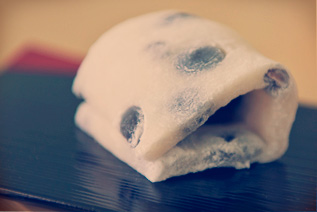
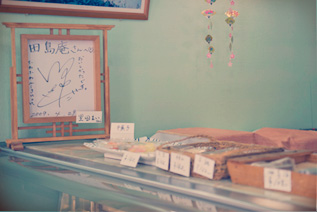

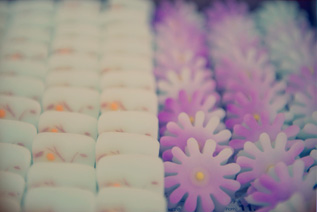
The bean daifuku has been one of Tajima-an's signature items since the shop opened. Its appearance alone sets it apart: a flat, plate-shaped mochi wraps around the filling in a distinctive way. The mochi is a little thicker than usual, yet remarkably soft. With one bite, the mild saltiness of the mochi and black beans mingles gently with the smooth sweetness of the bean paste, spreading softly across the palate. It's crafted to let the natural flavor of the ingredients shine through, not just sweetness. Perhaps because of that light, well-balanced finish, it's said to pair beautifully not only with Japanese tea but also with coffee and black tea. Some customers who aren't fond of sweets say Tajima-an's wagashi is the one they can still enjoy.
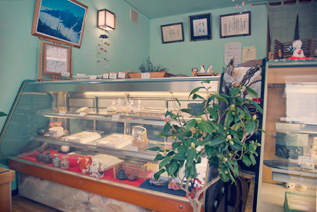
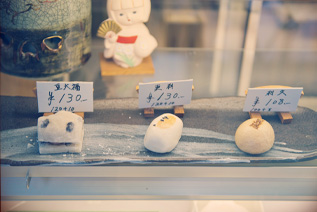
Tajima-an offers a wide range of wagashi: large, round chestnut buns, lightly sweetened rikyu buns and kintsuba, and visually delightful dried sweets, among others. The shop also makes seasonal treats, and reportedly prepares “kuchitori” for the New Year (a Hokkaido folk confection shaped to resemble auspicious foods like sea bream). Every item is handmade with painstaking care, with attention paid not just to flavor but to appearance as well. It's easy to see why the shop attracts so many customers from outside the city. Whether you live in Sapporo or not, why not pay a visit?
御菓子舗 田島庵
札幌市豊平区西岡5条2丁目2-2
TEL.011-851-7952
Hours: Mon–Sat 9:00am–7:00pm
Sun/Holidays 10:00am–5:00pm
Closed: Second and third Sundays of the month
www.tajimaan.jp
A flavor beloved for 150 years.
Ganso Kaminari-yoke Shinko
A five-minute walk from the streetcar stops “Nakajima Koen-dori” or “Gyokei-dori.” When you spot an impressive stone storehouse tucked into a quiet residential neighborhood, you've found the mochi shop Ganso Kaminari-yoke Shinko. The original shop of the same name opened in Otaru during the Meiji era. The name itself is intriguing—some say it comes from the practice of timing the steaming of rice using burning incense sticks whenever lightning knocked out the power, while others say it's because the mochi has such strong elasticity that it wouldn't budge from your mouth even if thunder struck. There are several theories about its origin.
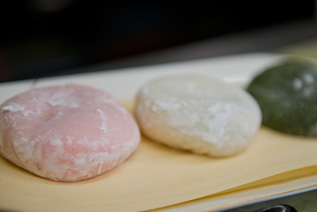
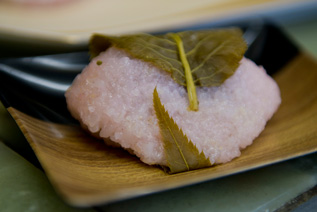
Unlike the original “honke” shop in Otaru, which specializes in daifuku, the Sapporo “Ganso” shop's counter also carries beko mochi, sakura mochi, dango skewers, and suama. The lineup changes with the seasons—for instance, the shop's namesake “Kaminari-yoke Shinko” is available only in summer. At year's end, they also make mochi for New Year's.
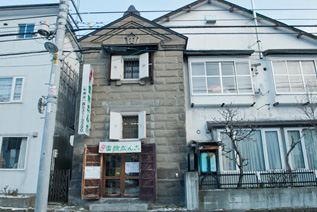
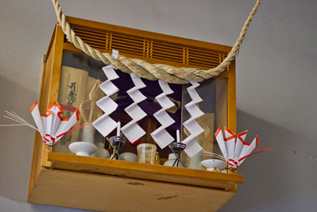
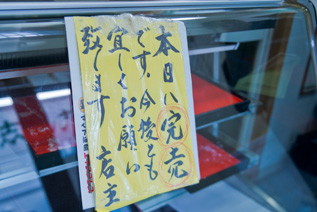
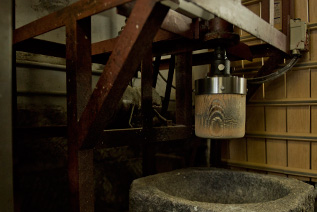
Tasting the daifuku that represents the shop's origins, you'll feel the satisfying heft of a proper mouthful of mochi. The bean paste has a straightforward flavor with a touch of salt. Made with “absolutely nothing unnecessary added,” using a method passed down since the Meiji era, this is a flavor that has been cherished for 150 years. Everything, including milling the rice into flour, is done in-house—you can even see the mortar and pestle at the back of the counter. Adjusting the pounding time to suit the season is one of the artisan touches behind the flavor. Because of all this labor, they can't make large quantities, and the shop typically sells out by late morning. In other words, what you buy here is always freshly pounded mochi. It's the kind of mochi worth waking up early for.

関連する記事
-
A bowl to enjoy casually while going full circle.
Sapporo: A Ramen Shop Tour by Streetcar -
A genuine flavor that has walked alongside Sapporo's history.
3 Long-Established Ramen Shops in Sapporo -
Everyday lunch break bliss.
3 Great Lunch Sushi Spots in Sapporo -

I want to bring you here — but I don't want to tell anyone else about it.
Sapporo’s Secret ‘Delicious’ Restaurants
新着ピックアップ
-
150 years, and still beloved.
Ganso Kaminari-yoke Shinko -
A new standard that goes beyond a boom.
3 Sapporo Soup Curry Restaurants We Secretly Want to Keep to Ourselves -
Watching over the neighborhood for half a century — Susukino's mom and pop.
Hachiya -
In Sapporo, but not miso.
3 Sapporo Ramen Shops with a Light, Refreshing Broth


