


Tokyo Tower's older brother.
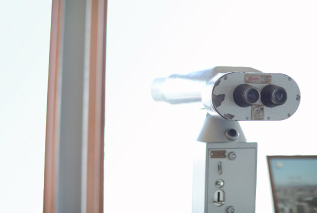
Sapporo TV Tower TEXT/YUSUKE TOKOSHIMA, PHOTO/NAOKO TAKAHASHIRight in the heart of Sapporo, rising from the edge of Odori Park, stands the “Sapporo TV Tower.” Built about 50 years ago, its original role was to broadcast commercial television signals. Inside, the tower housed an observation deck, along with a movie theater, dining hall, and cafe, and on opening day, celebratory fireworks accompanied crowds of eager residents rushing in. The Hokkaido Shimbun, in its edition dated August 28, Showa 32 (1957), described the day’s events as a “90-Meter Wonder,” running photos of an elderly woman in monpe work trousers peering through a telescope, and crowds of people looking up at the tower. The massive tower that suddenly appeared in the heart of the city gave the residents of that era both excitement and, above all, sheer astonishment.
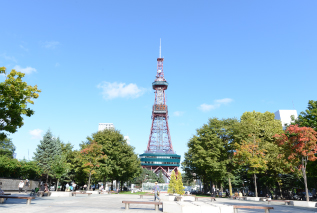
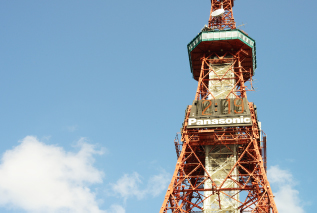
This TV Tower was designed by Tachu Naito, celebrated at the time as Japan's foremost architect. The year after the tower opened, he went on to complete the famous "Tokyo Tower." The technology and expertise used in building the TV Tower carried over directly into the construction of Tokyo Tower, Japan's iconic national symbol. The electric clock partway up the tower is said to have been installed at the direction of Konosuke Matsushita, founder of Panasonic, based on the idea that "if you put a clock somewhere that high up, plenty of people are bound to see it."
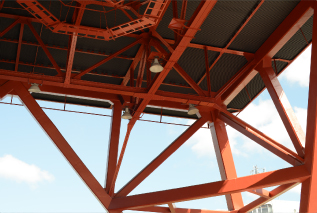
The tower's original function as a broadcast tower has largely faded into the past, and with the completion of the JR Tower at Sapporo Station, it even lost its former title as Sapporo's "highest point." And yet it continues to be cherished as a symbol of Sapporo — perhaps not out of gratitude for its former public role as a broadcast tower, but because of the sense of "hope" that residents must have felt when it was first completed. Set against the backdrop of Japan's era of rapid economic growth, those who gazed up at it surely felt a spark of courage — a sense that "we can accomplish something too." The TV Tower, as a symbol of Sapporo's spirit at the time, must have given people strength and helped support the city's development.
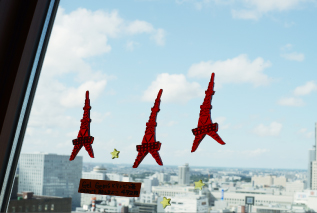
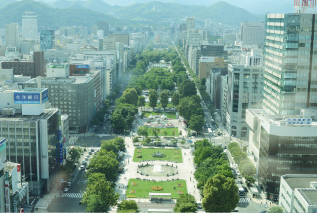
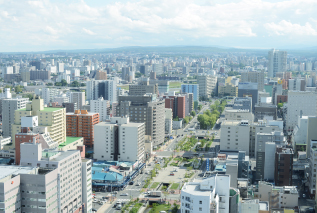
A glass-walled elevator takes about 60 seconds to reach the observation deck, set 90 meters above ground. From there, a sweeping 360-degree panorama unfolds. The first thing that catches your eye is the straight green band of Odori Park. Beyond it, mountains famous for ski jumping, including Mt. Okurayama, stretch across the horizon, their ridgelines beautifully lit by the fading western sun as dusk hurries in. Look down a bit, and you'll see a cityscape of buildings of every color, shape, and height, laid out in a neat grid. Come nightfall, a beautiful procession of taillights lines Route 36, Sapporo's main artery, while the neon of the entertainment district and the lights of concrete buildings blaze brightly. Urban function alongside abundant nature — why not take in Sapporo's "now," while sensing the energy and aspirations of the era that built the foundation of Hokkaido's central city?
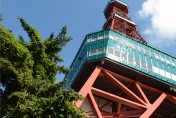
Sapporo TV Tower
Odori Nishi 1-chome, Chuo-ku, Sapporo
TEL.011-241-1131
Admission: General adult 720 yen
※Discounted rates available for high school, junior high, elementary, and group visitors
Hours:
[White Illumination Period]
Nov 21–Dec 19, 2014: 9:30 AM–10:00 PM
Dec 20–25, 2014: 9:30 AM–10:30 PM
[Year-End/New Year]
Dec 31, 2014: 9:30 AM–9:30 PM
Jan 1, 2015: Closed
Jan 2, 2015: 9:30 AM–9:30 PM
From Jan 3, 2015: 9:30 AM–9:30 PM
www.tv-tower.co.jp

関連する記事
-

The animals get ready for autumn.
Sapporo Maruyama Zoo (Autumn) -
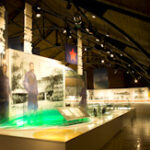
A Hokkaido Heritage site of red brick, still carrying the scent of the Meiji era.
Sapporo Beer Museum -
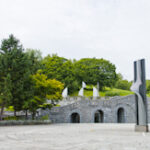
Art completed by nature and the passage of time.
Sapporo Art Park Outdoor Art Museum -
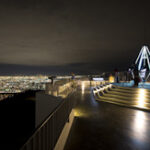
Ranked second in Japan's New Three Great Night Views — a sweeping view of nighttime Sapporo.
Mt. Moiwa Summit Observatory
新着ピックアップ
-
A genuine flavor that has walked alongside Sapporo's history.
3 Long-Established Ramen Shops in Sapporo -
150 years, and still beloved.
Ganso Kaminari-yoke Shinko -
A new standard that goes beyond a boom.
3 Sapporo Soup Curry Restaurants We Secretly Want to Keep to Ourselves -
Watching over the neighborhood for half a century — Susukino's mom and pop.
Hachiya


