


Nostalgic Western food, protected by soft stone walls.
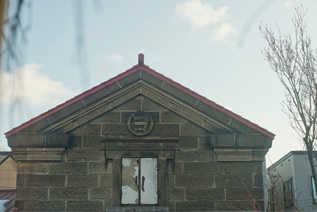
Restaurant Noya TEXT/REINA ABE, PHOTO/NAOKO TAKAHASHIA calm, Sapporo-soft-stone building appears amid a residential neighborhood. Come lunchtime, the spacious parking lot fills up completely with people seeking delicious Western food. The building originally served as both shop and home for a pawnbroker, and the character for “yo” — from the shop’s original name — still remains beneath the triangular roof. When renovating the space ahead of opening the restaurant, owner Kawabata says he couldn’t help but feel the weight of its history. That’s partly why he named the restaurant “Noya,” the Ainu word for mugwort, a plant believed to ward off evil. In the garden are pine, bamboo, and plum trees planted long before the restaurant opened, along with a pond added when it did. Some regulars, it’s said, come just to see the wild birds that rest there.
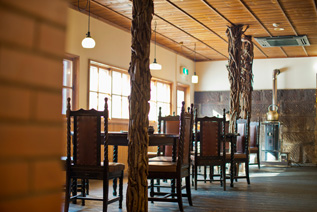
Kawabata, who works the kitchen, joined a hotel restaurant after graduating from university, then went on to gain experience in French and Italian cuisine before opening "Pooh Yokocho" in 1985 and "Restaurant Noya" in 1998. The sister restaurant, Pooh Yokocho, is also housed in a former onion warehouse built of soft stone. When renovation work first began there, photo studio owners and florists reportedly showed up a step too late, disappointed to learn the space was already spoken for. Ever since, Kawabata has carried the thought — "what if they had rented this place instead" — and a wish never to monopolize this soft-stone building for himself alone. That's part of why Noya now hosts exhibitions of flowers, paintings, and photography, as well as rakugo performances, and has become especially known for its live music events. The building's soft-stone construction is well regarded for its ideal acoustics, drawing musicians from all across the country.
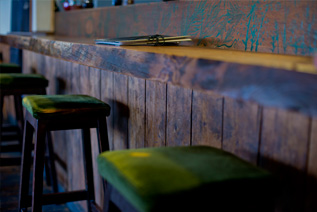
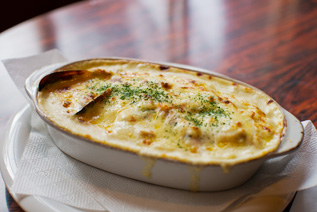
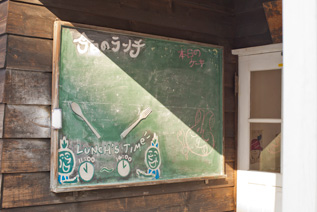
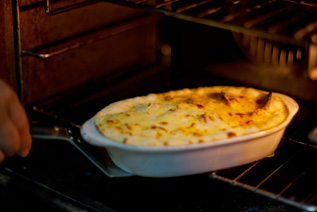
Open the "Recipe Book," styled like an old school attendance ledger, and you'll find yourself torn over the sheer variety of the menu. Beyond pasta, pizza, and doria, there are unconventional items like ojiya (Japanese-style rice porridge). All the sauces used in the cooking are made in-house. The white sauce for the seafood doria skips heavy cream for a lighter finish, pairing with the shop's special tomato rice to bring out the flavor of the scallops and flatfish. According to Kawabata, old reference texts inspired techniques like adding chicken flavor to milk for extra richness, or blending in Dutch Edam cheese with the mixed cheese for added depth — no effort is spared in pursuit of flavor. That same meticulous care extends beyond the food, into the interior and furnishings, and the restaurant as a whole. That, perhaps, is the real charm behind Noya's more than 15 years of drawing people back.

関連する記事



新着ピックアップ
-
A genuine flavor that has walked alongside Sapporo's history.
3 Long-Established Ramen Shops in Sapporo -
150 years, and still beloved.
Ganso Kaminari-yoke Shinko -
A new standard that goes beyond a boom.
3 Sapporo Soup Curry Restaurants We Secretly Want to Keep to Ourselves -
Watching over the neighborhood for half a century — Susukino's mom and pop.
Hachiya


