


Jazz Pianist
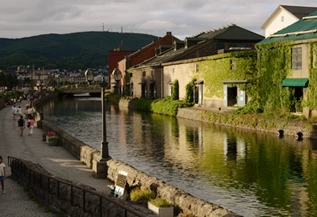
Eishin Nose TEXT/YUSUKE TOKOSHIMA, PHOTO/NAOKO TAKAHASHIEishin Nose was born and raised in Otaru, a city where old and new sensibilities intermingle. Influenced by his jazz-loving father, the jazz bars he frequented around Otaru, and a compilation album a friend gave him for his 19th birthday that left a deep impression, he set his sights seriously on becoming a jazz pianist. At 20, he moved to the United States alone, studying under various pianists in the birthplace of jazz. To this day, he continues to sharpen his craft on the piano, moving back and forth between Japan and the US. In 2009, in recognition of his achievements in composition and performance, he became the first jazz pianist ever to receive the S&R Washington Award. This is our “Tsuwamon” interview with Eishin Nose, who works as a bridge between Japan and America.
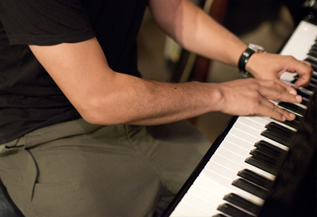
"Honestly, I'm not sure exactly why I received the award," Nose says modestly. Still, he offered a thought: "Maybe what stood out was that instead of imitating the great jazz pianists of the past, I was determined to stick with something entirely my own." Expressing what he sees, what he feels, and the honest emotions welling up from within as sound, playing exactly as he pleases — free, powerful, yet delicate melodies. This is the essence of Nose's style.
"Glamour and loneliness, back to back" — that's how he describes the streets of New York. Hidden behind the neon lights of a bustling downtown, artists watch and wait, eyes fixed on tomorrow's success. People flock there from all over the world aiming for the top, each one "honing their own artistry, each pursuing their own form of expression" — and he says that alone is the greatest source of inspiration. "Frankly, it's inconvenient," he adds — life in New York comes with far more hardship than in Japan. And yet, he says, the city holds some mysterious power and charm that keeps drawing people in.
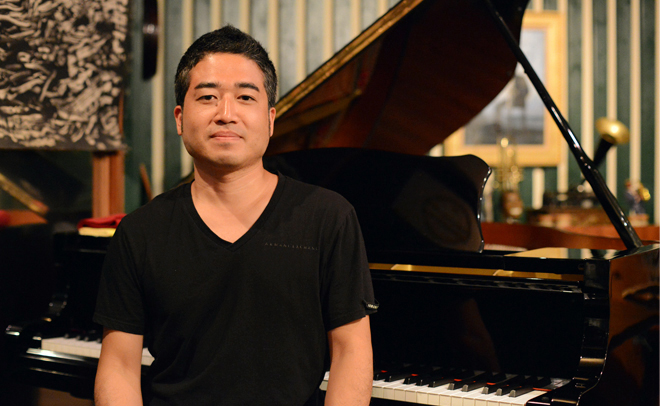
Eishin Nose
Pianist and composer. Born in Otaru, Hokkaido. Has lived in New York for 19 years. Graduated from the Jazz program at Mannes College of Music, The New School. Studied under Jaki Byard, Richie Beirach, Phil Markowitz, Barry Harris, and Russ Lossing. Studied classical piano under Herman Diaz. Has performed at numerous clubs, including Blue Note NYC.
Praised by American music critic Edward Blanco as "an artist pursuing a freer improvisational art form, beyond the traditional jazz idiom."
Praised by music critic Masahiko Yuh as having "built a musical world with a freely creative spirit, in the way a painter fills in a sketch on canvas, as a pianist and performing artist."
- February 4, 2011Held a solo concert at Sapporo Kitara Small Hall.
- July 24, 2011Performed "Rhapsody in Blue" together with the Sapporo Symphony Orchestra at Sapporo Kitara Large Hall.
- August 16, 2011Released the trio album "Waiting" with James Cammack (b) and Duane Cook (ds).
- January 28, 2012Performed together with the Sapporo Symphony Orchestra at the Otaru Citizens' Hall.
- September 4, 2012Appeared on NHK's public FM broadcast "Session 2012" as part of trio J-Yorkers, with Yosuke Inoue (b) and Taro Koyama (ds).
- October 2012Composed the film score for director Takafumi Miyamoto's "Kazuomi Kurigami: The Photographer's Desire."
- December 25, 2012Released the live album "THE GATE, 2012 Live in Shibuya" in Shibuya with Satoshi Takeishi (percussion).
- April 13, 2013His arrangement of Rachmaninoff's Symphony No. 2 "Adagio" aired on a BS Japan program.
- July 19, 2013Following his S&R Washington Award, performed with Satoshi Takeishi at Evermay in Washington, D.C.
[Awards]
1995 Winner, DownBeat Award (American jazz magazine)
2003 Winner, Swing Journal Gold Disc Award
2009 Winner, S&R Washington Award

新着ピックアップ
-
A genuine flavor that has walked alongside Sapporo's history.
3 Long-Established Ramen Shops in Sapporo -
150 years, and still beloved.
Ganso Kaminari-yoke Shinko -
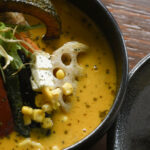
A new standard that goes beyond a boom.
3 Sapporo Soup Curry Restaurants We Secretly Want to Keep to Ourselves -
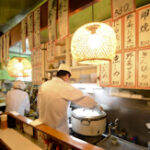
Watching over the neighborhood for half a century — Susukino's mom and pop.
Hachiya


